
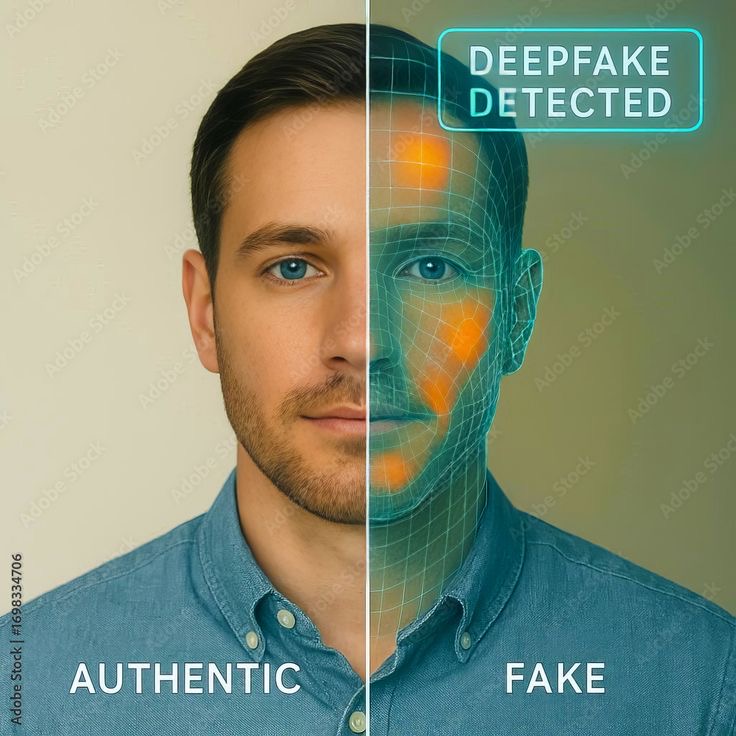

As artificial intelligence becomes more deeply embedded in everyday communication, cybersecurity experts are warning that digital fraud is entering a more advanced and harder-to-detect phase.

From cloned voices to realistic video impersonations, criminals are now using generative AI to scale scams that once required human effort and technical skill.
A new era of “convincing deception”
Recent cybersecurity assessments state a growing shift: scams are no longer defined by obvious spelling errors or low-quality fake websites.
Instead, attackers are deploying AI systems capable of producing highly realistic emails, videos, and voice messages that closely mirror trusted individuals or organizations.
Security analysts describe this as a transition from traditional phishing to behavioral deception, where the goal is not just to trick systems but to manipulate human trust in real time.

How AI is powering modern scams
Modern fraud networks now use generative AI tools to automate entire scam pipelines:
- Voice cloning systems that imitate family members or executives.
- Deepfake video calls used in impersonation scams
- AI-written messages tailored to specific targets using public data
- Automated chat systems that sustain long, believable conversations
These tools allow criminals to run thousands of personalized scams simultaneously, making detection significantly more difficult for both users and security platforms.
Why traditional security tools are struggling
Conventional cybersecurity systems were built to detect patterns such as suspicious links, unusual login behavior, or known malware signatures.
However, AI-generated scams often bypass these indicators because they appear clean on the surface.
The biggest challenge is that these attacks now focus on psychological manipulation rather than technical exploitation. This makes them harder to detect using software alone.
Businesses under increasing pressure
Organizations are being forced to rethink how they verify identity in digital communication.
Industries such as banking, customer service, and remote work environments are particularly exposed, as attackers increasingly target financial transfers and sensitive internal approvals.
Security firms are now pushing for multi-layer identity verification systems that combine:
- Real-time behavioral monitoring
- Device authentication
- Context-based verification.
Governments respond with new frameworks
Several governments are now working on updated digital safety policies aimed at AI-driven fraud.
These include proposals for mandatory labeling of AI-generated content and stricter penalties for synthetic impersonation used in scams.
However, enforcement remains difficult as many of these attacks originate across borders and use rapidly changing AI tools that are difficult to trace.
Cybersecurity experts believe the next phase of the internet will require a shift in mindset: from trusting what is seen and heard, to verifying every digital interaction.
While AI is also being used to detect fraud faster, analysts warn that both attackers and defenders are now locked in a rapid escalation cycle.
The central challenge ahead is no longer just stopping scams but rebuilding trust in digital communication itself.