

By Onyekachi Victoria Philip
Taraba State’s ambitious agro eco-tourism vision is rapidly taking shape as Nwonyo Lake in Ibi undergoes a striking transformation into what is expected to become one of Africa’s leading cultural and eco-tourism destinations.
The project, being driven through a strategic partnership between the Taraba State Government and La Campagne Tropicana, is positioning the historic lake beyond its centuries-old reputation as the home of the famous Nwonyo International Fishing Festival into a year-round tourism and leisure destination.
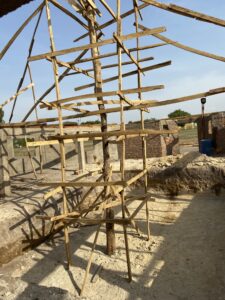
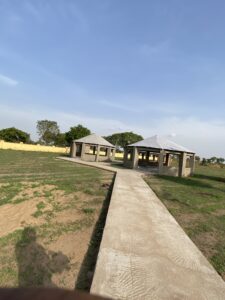
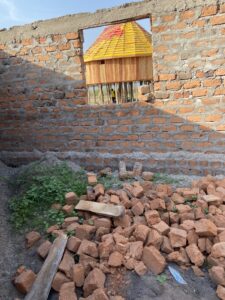
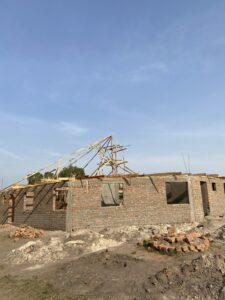
Construction activities have intensified around the lake as workers commence the development of the La Campagne Tropicana Nwonyo Lake Resort, one of several flagship projects under Taraba’s multi-billion-naira agro eco-tourism master plan.
The resort is designed to provide visitors with an immersive experience where nature, culture, recreation, and hospitality converge in one destination.
Unlike conventional tourism projects, the Nwonyo Lake development is envisioned as a complete eco-tourism ecosystem.
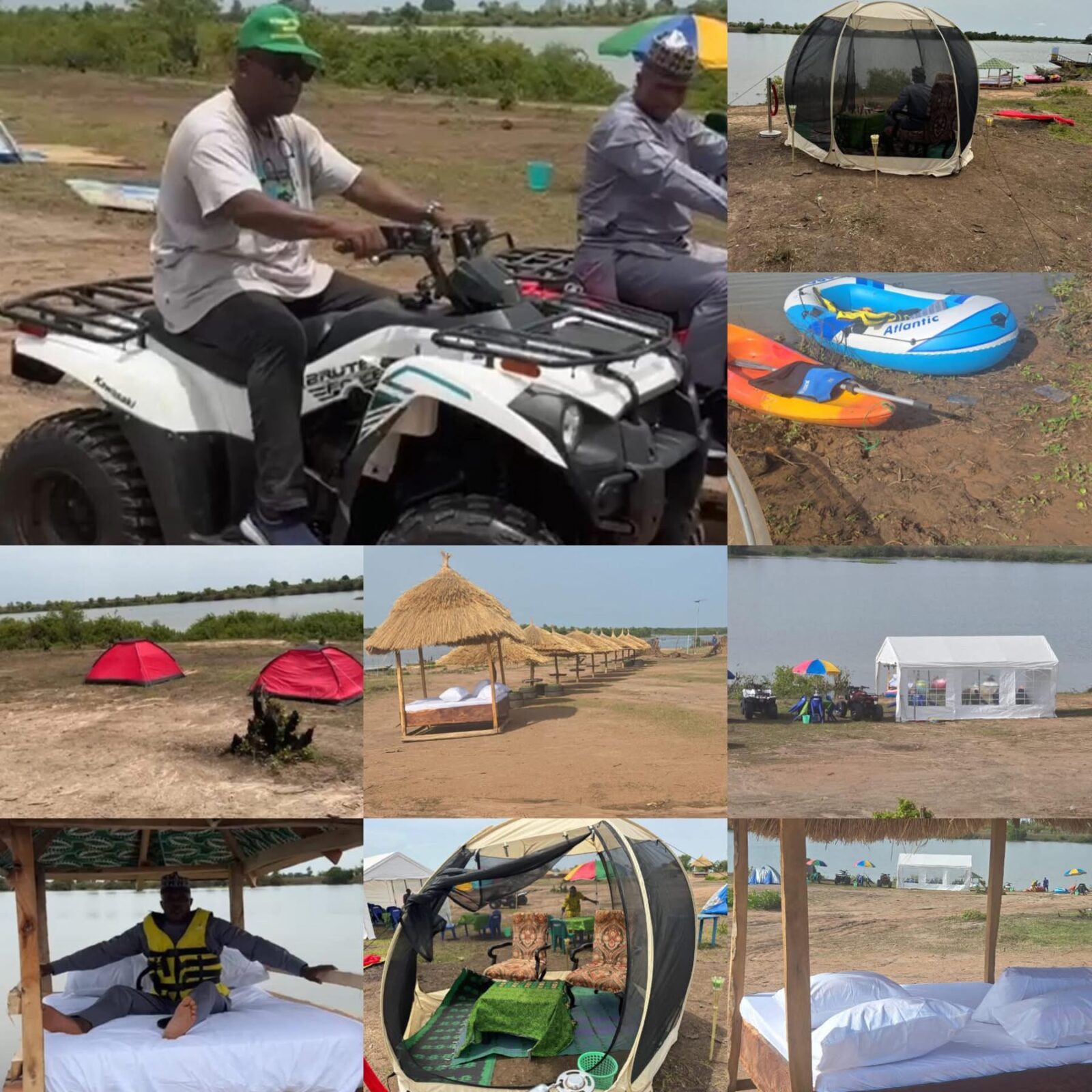
Plans include African-themed accommodation, camping grounds, waterfront leisure facilities, relaxation areas, boat rides, recreational activities, cultural performance spaces, and hospitality facilities that will encourage visitors to spend several days exploring the area’s natural beauty.
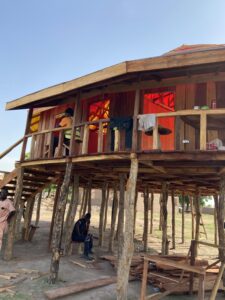
Construction of eco-friendly accommodation has already commenced at some of the approved project sites, while leisure facilities such as boats, quad bikes and jet skis are also being introduced.
The transformation forms part of a wider public-private partnership in which the Taraba State Government approved 2,500 hectares of land across 12 strategic locations for the development of La Campagne Tropicana Agro-Ecotourism Resorts.
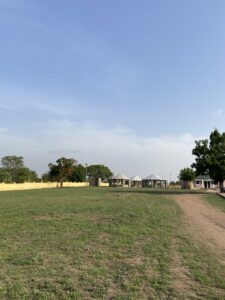
These projects span locations including Zangon Kombi, Jalingo, Gashaka, Mambilla, Kurmi, Gasol and Ibi, where the Nwonyo Lake Resort is being developed as one of the signature attractions.
According to research, Nwonyo Lake is uniquely positioned for international recognition because of its combination of natural beauty, cultural heritage and historical significance.
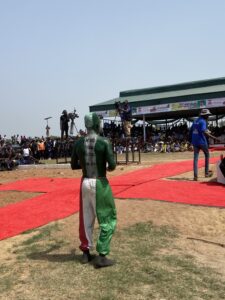
For generations, the lake has hosted the renowned Nwonyo International Fishing Festival, one of Nigeria’s oldest traditional fishing festivals, which was recently revitalised through the collaboration between the Taraba State Government and La Campagne Tropicana.
The renewed festival has already begun attracting tourists, investors, traditional rulers, government officials and cultural enthusiasts from across Nigeria, while also stimulating conversations around investment opportunities in Taraba’s tourism economy.
According to project promoters, the vision extends beyond building another resort.
The objective is to establish Nwonyo Lake as a world-class eco-tourism hub capable of attracting up to one million visitors annually over the coming years, while creating employment opportunities, supporting local businesses, preserving cultural heritage and promoting sustainable tourism.
La Campagne Tropicana, widely recognised for pioneering African-themed eco-tourism through its flagship resort in Ibeju-Lekki, Lagos, is applying the same philosophy in Taraba by integrating agriculture, environmental conservation, African architecture, hospitality and cultural experiences into one destination.
For visitors, the future Nwonyo Lake Resort is expected to offer more than sightseeing. Guests will be able to camp in nature, relax along the waterfront, participate in cultural activities, enjoy water sports, experience traditional festivals, and explore the surrounding landscapes that have made Taraba famous as “Nature’s Gift to the Nation.”
As construction progresses across the various sites, the Taraba-La Campagne partnership is increasingly being viewed as one of Nigeria’s most ambitious tourism development initiatives, with Nwonyo Lake emerging as a flagship project expected to redefine agro eco-tourism and strengthen Taraba State’s position on Africa’s tourism map.