

By Onyekachi Victoria Philip
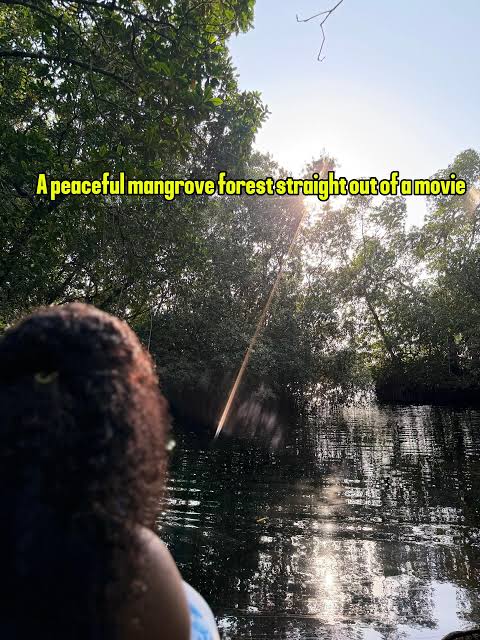
Mangroves are among nature’s most unique coastal trees, but they do not grow just anywhere. Their preferred habitat is the calm, shallow waters of lagoons, estuaries and river mouths, where fresh water from rivers mixes with salty seawater to create the ideal environment for their survival.
Unlike the powerful waves of the Atlantic Ocean, lagoons provide sheltered waters that allow mangrove seedlings to take root without being washed away.
The muddy, waterlogged soil of lagoons is also rich in nutrients and organic matter, creating the perfect conditions for mangrove forests to flourish.
Mangroves have evolved extraordinary adaptations that enable them to survive where most trees cannot.
Their aerial roots rise above the muddy ground to absorb oxygen from the air because lagoon soils contain very little oxygen.
They also possess specialized mechanisms that filter or expel excess salt, allowing them to thrive in brackish water, a mixture of fresh and salt water.
Another reason mangroves favour lagoons is the slow-moving water. Their floating seedlings, known as propagules, drift with the tides until they reach calm, muddy areas where they can anchor themselves and begin growing.
The strong waves and shifting sands of the open Atlantic make it difficult for young mangroves to establish roots, which is why extensive mangrove forests are rarely found directly on exposed ocean beaches.
Beyond their unique habitat, mangroves perform vital environmental functions.
Their intricate root systems trap sediments, prevent coastal erosion, reduce the impact of storm surges, improve water quality and provide breeding grounds for fish, crabs and countless marine species.
They also store significant amounts of carbon, making them one of the world’s most valuable natural ecosystems in the fight against climate change.