

By Onyekachi Victoria Philip
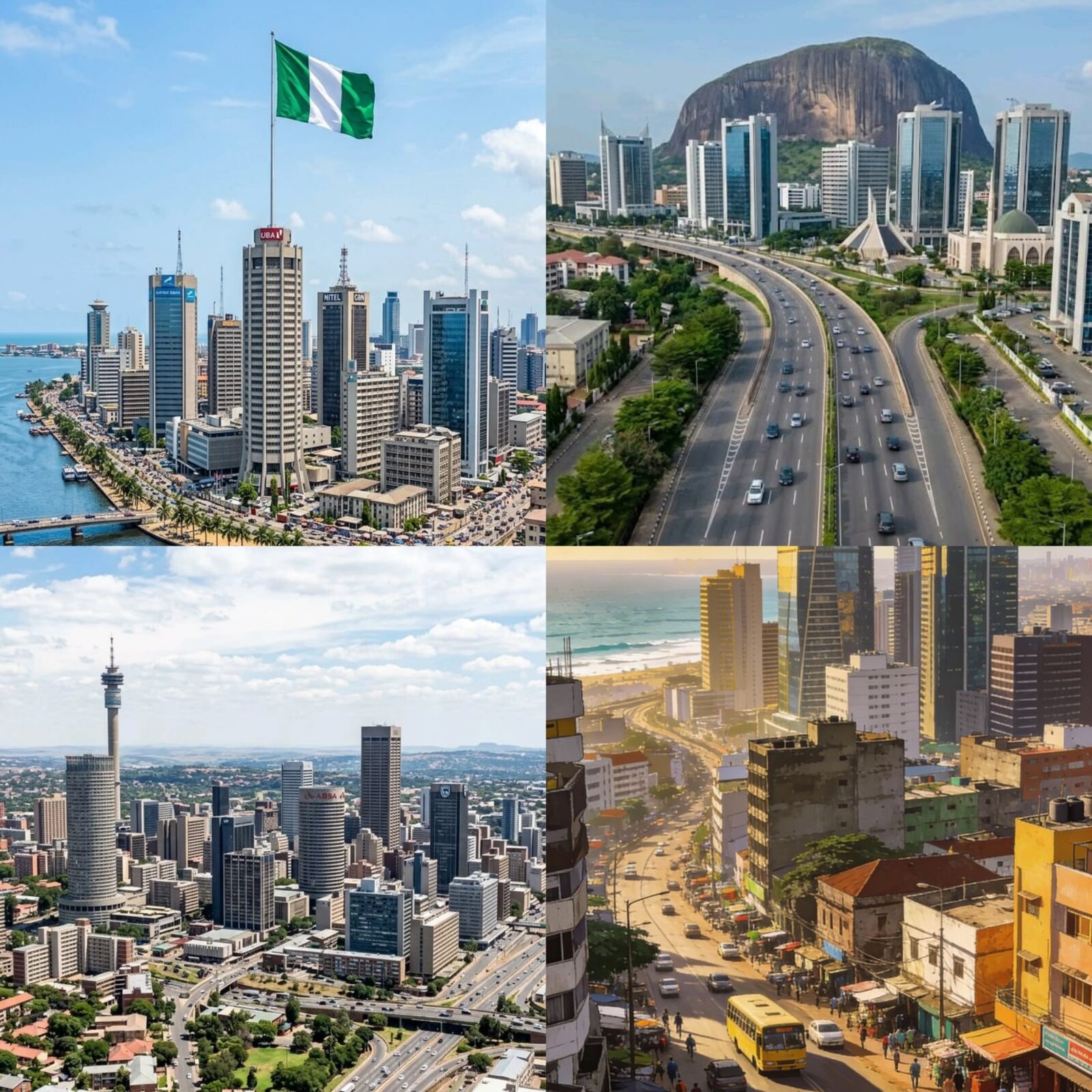
As Africa continues to experience rapid urbanization and economic transformation, several cities are emerging as symbols of the continent’s growing ambition in infrastructure, technology, commerce and sustainable development.
Among the fastest-rising destinations is:
Ibeju-Lekki in Lagos State, Nigeria:
Which has rapidly evolved into one of Africa’s most strategic investment corridors. Home to the internationally renowned La Campagne Tropicana Beach Resort, the area is also strategically located near the Lekki Free Zone, the Dangote Petroleum Refinery, Lekki Deep Sea Port, the Lagos-Calabar Coastal Highway, and several thriving industrial, commercial and residential developments.
These landmark projects, combined with expanding road infrastructure, tourism assets and growing private-sector investment, have positioned Ibeju-Lekki as a next-level destination for business, tourism, manufacturing, real estate and economic excellence, earning increasing recognition as one of Nigeria’s most promising growth corridors.
Eko Atlantic, Nigeria
Built on reclaimed land along the Atlantic coastline beside Victoria Island in Lagos, Eko Atlantic has become one of Africa’s most ambitious urban development projects.
The city features luxury residential towers, commercial office spaces, hotels, modern road networks and advanced infrastructure. Development continues in phases as it strengthens its position as a future financial and business hub for West Africa.
New Administrative Capital, Egypt
Located east of Cairo, Egypt’s New Administrative Capital represents one of the largest urban development projects on the continent.
Designed to ease pressure on Cairo, the city now houses several government ministries and administrative institutions while continuing to expand with financial districts, smart infrastructure, residential communities and some of Africa’s tallest skyscrapers.
Diamniadio, Senegal
Developed to support Dakar’s growing population, Diamniadio is steadily evolving into Senegal’s modern administrative and economic centre.
The planned city features government offices, universities, residential estates, industrial parks and improved transport infrastructure, making it one of West Africa’s most closely watched urban development projects.
Konza Technopolis, Kenya
Often referred to as Kenya’s “Silicon Savannah,” Konza Technopolis is being developed as a technology and innovation city under Kenya’s Vision 2030 development agenda.
The project focuses on research, education, digital innovation and technology-driven industries while continuing to attract public and private investment.
Kigali Innovation City, Rwanda
Rwanda continues to position itself as one of Africa’s leading digital economies through the development of Kigali Innovation City.
The project is designed to bring together universities, technology companies, research institutions and entrepreneurs, supporting the country’s vision of becoming a regional innovation and knowledge hub.
Other African Cities Recording Rapid Urban Growth
Beyond these flagship developments, several established African cities continue to witness significant investment in infrastructure and urban expansion.
Nigeria’s capital, Abuja, has seen continued improvements in road networks, transportation systems and commercial districts, reinforcing its status as one of the continent’s fastest-growing capital cities.
In southeastern Nigeria, the Aba Commercial Smart City project aims to transform Aba into a modern commercial and industrial hub through planned investments in infrastructure, manufacturing and trade.
Meanwhile, Addis Ababa in Ethiopia continues to expand through major investments in roads, rail transport, urban renewal and commercial real estate, while Tangier in Morocco has strengthened its position as one of Africa’s leading manufacturing and logistics centres, driven by world-class port infrastructure and industrial development.
Countries Leading Africa’s Development Drive
Several African nations are also recording significant progress in infrastructure and economic development.
Rwanda continues to earn recognition for digital transformation, smart-city initiatives and technology-driven governance.
Egypt remains one of Africa’s biggest investors in transport networks, new cities and public infrastructure.
Morocco continues expanding its renewable energy sector, industrial zones and logistics infrastructure, reinforcing its position as a gateway between Africa and Europe.
Nigeria is witnessing sustained investment in urban renewal projects, commercial developments and smart-city initiatives, particularly in Lagos and Abuja.
Senegal’s infrastructure expansion, anchored by projects such as Diamniadio, continues to reshape the country’s urban landscape, while Kenya remains focused on technology, innovation and digital infrastructure through projects like Konza Technopolis.
South Africa is also advancing infrastructure renewal across several metropolitan areas through continued investment in transport, utilities and urban development.