

By Onyekachi Victoria Philip
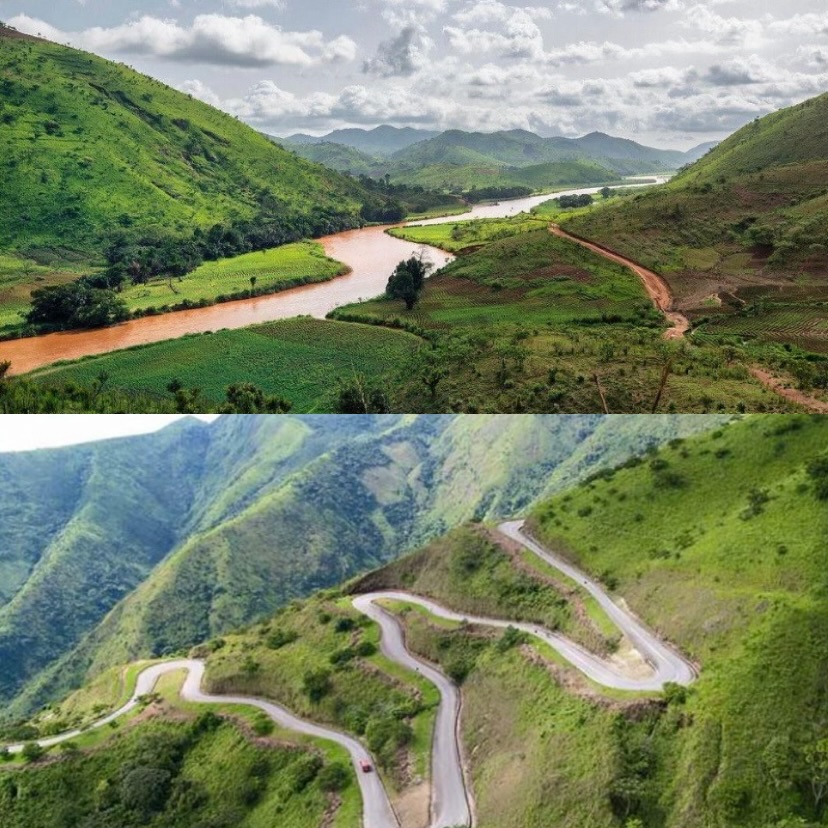
The La Campagne Tropicana Rest Area at Mahula, Bali, Taraba State is a very strategically positioned component of the tourism transformation being pursued by the Taraba State Government in partnership with La Campagne Tropicana Resort Group, founded and led by Otunba Wanle Akinboboye.
While Mahula is designated as a Rest Area, rather than one of the larger Agro-Eco-Heritage or destination resorts, its importance lies in its role within a much bigger tourism system. The development is intended to provide hospitality and visitor-support infrastructure as tourists move through Taraba and experience the state’s natural, cultural, agricultural and heritage attractions.
The Mahula project forms part of a government-approved 2,500-hectare agro-ecotourism development spread across 12 strategic sites in Taraba.
According to recent reports, the wider project has moved into physical implementation, with eco-friendly accommodation already constructed at some locations and recreational facilities such as boats, quad bikes and Jet Skis introduced at some sites.
Mahula’s place in Akinboboye’s bigger tourism vision
For Otunba Wanle Akinboboye, the Taraba project is not simply about constructing hotels in beautiful locations.His approach is based on turning attractions into destinations and destinations into economic platforms.
Otunba Wanle Akinboboye has spoken extensively about the need to combine agriculture, ecotourism, African heritage, hospitality and entertainment rather than treating them as separate industries. He has particularly argued that agriculture can be made more attractive by combining it with tourism and creating experiences around farms, nature and local products.
A rest area may not possess the headline attraction of a lake or waterfall, but tourism cannot function effectively across a geographically large state without places where visitors can stop, refresh, eat, rest, obtain information, spend money and continue their journey.
FROM ATTRACTIONS TO DESTINATIONS
Akinboboye’s thinking on Taraba became particularly clear during his earlier engagement with the state.In 2025, he described Taraba as possessing enormous tourism possibilities and spoke further on the state’s mountains, ecological resources and heritage. He explained that one of his challenges initially was deciding where to begin because the possibilities were so extensive.
He also described the journey through Taraba as an opportunity in itself, adding that the hills and landscapes encountered along the routes. His solution was to develop a network that would make tourism easier and more comfortable for visitors instead of expecting tourists to travel long distances without adequate tourism infrastructure.
WHY MAHULA WAS CHOSEN FOR A REST AREA
Mahula is located in Bali Local Government Area, making it strategically useful within Taraba’s developing tourism geography.
Its importance is less about being a standalone mega-attraction and more about its ability to support movement through the state.
A visitor travelling between major tourism destinations needs:
* A place to stop
* Food and refreshments
* Rest facilities
* Hospitality services
* Tourist information
* Transport support
* Local products
* Potential accommodation
* A safe and organised environment
THE PROJECT IS PART OF A $1 BILLION VISION
The project information supplied for the Taraba development describes the wider initiative as a $1 billion investment project, with 20 percent government participation, and land covered by a government Certificate of Occupancy.
The most significant update in 2026 is that the project has moved beyond being merely a proposal or partnership announcement.
It was reported in June 2026 that construction of African-themed, eco-friendly accommodation facilities was already ongoing at some of the sites, while leisure facilities including quad bikes, boats and Jet Skis were available at some locations.
It was also similarly reported that the Taraba initiative was advancing and that the government was pursuing the project as a major economic and tourism intervention.
The Taraba project is currently being under active development, with construction and recreational infrastructure emerging within the network.
THE ROLE OF GOVERNMENT
The project is being implemented as a public-private partnership involving the Taraba State Government and La Campagne Tropicana Resort Group.
Governor Agbu Kefas has positioned ecotourism and heritage as part of his administration’s economic strategy and created a dedicated Taraba State Ministry of Ecotourism and Heritage.
The government has framed tourism as a means of:
* Injecting money into the state’s economy
* Accelerating development
* Creating employment
* Supporting young people
* Encouraging investment
* Promoting Taraba’s heritage
* Strengthening the state’s tourism profile
* Supporting efforts to address security challenges
This makes Mahula part of an economic strategy rather than simply a hospitality project.