
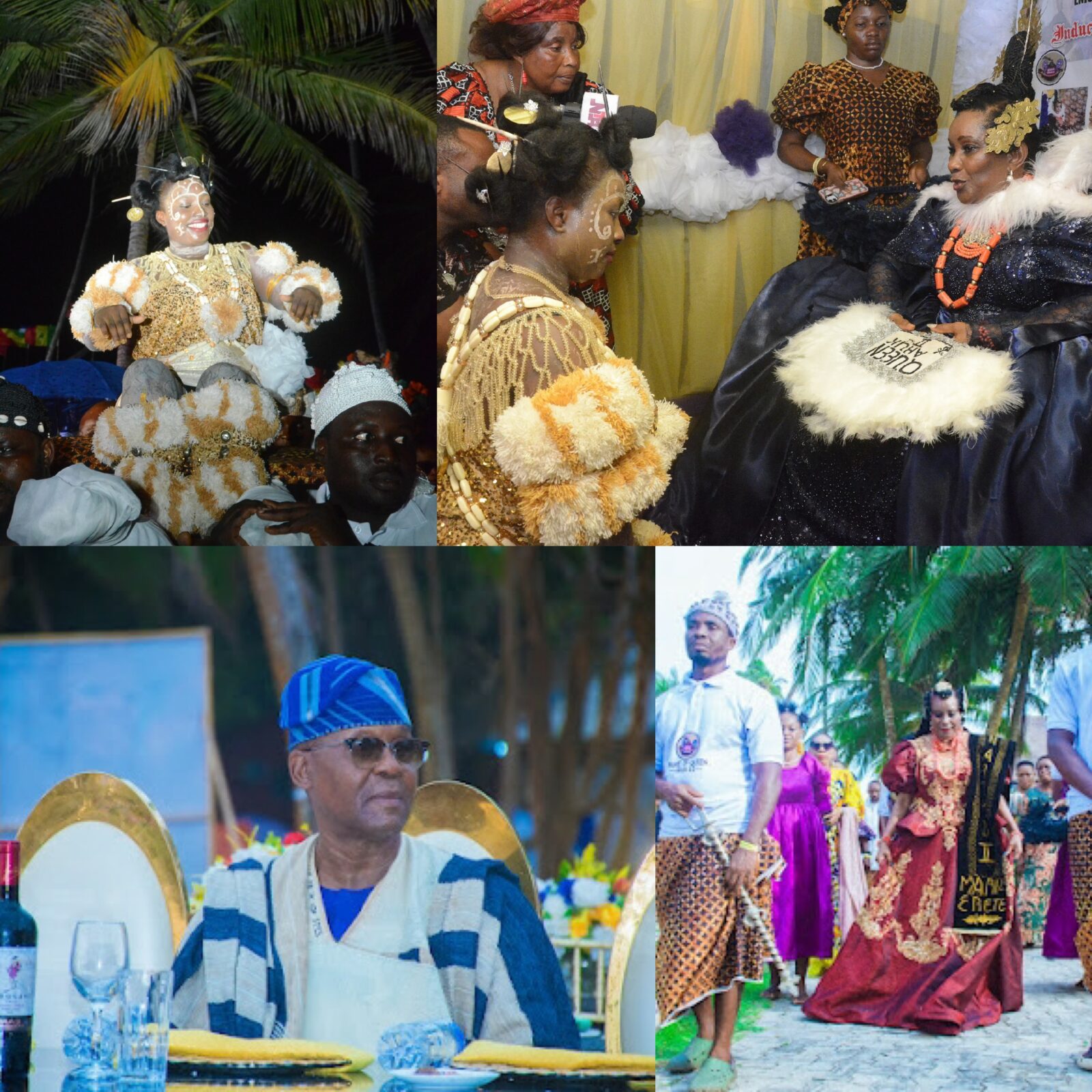

By Damilola Adeyera
For decades, Africa’s relationship with its diaspora has been framed largely around memory: the memory of an ancestral homeland, a forced departure, and a cultural inheritance preserved across generations.
Ghana is beginning to offer an answer by positioning heritage tourism not simply as an emotional journey but as a potential gateway to investment, enterprise, citizenship, and long-term economic engagement.
Recall that Atunda TV reported yesterday that the Ghana Tourism Federation (GHATOF) is stepping up efforts to transform tourism from a leisure activity into a strategic pathway for diaspora investment, particularly among African Americans and the wider African diaspora.
READ MORE: Ghana Courts Diaspora Positions Heritage Travel as Gateway to Broader Investment
That approach closely intersects with a broader vision championed by Nigerian tourism entrepreneur Otunba Olawanle Akinboboye through IPADA and the wider Motherland Beckons movement: that the return of the African diaspora should become an economic, cultural, and developmental relationship rather than a one-time visit.
At a recent professional business and cultural summit involving the Ghana Tourism Federation (GHATOF) and a United States business delegation coordinated by SHE International Empowerment Global Summit, GHATOF President Seth Okran made the case for moving beyond tourism as leisure.
He positioned tourism as an entry point into agriculture, real estate, affordable housing, hospitality, and other productive sectors. That is a significant shift in how the diaspora visitor is perceived. The visitor is no longer simply someone who arrives, visits a heritage site, and departs.
The visitor can become an investor, entrepreneur, property owner, philanthropist, business partner, or long-term participant in the economy.

READ MORE: China Can Learn From Nigerian Tourism, Cultural Counsellor of the Chinese Embassy
Ghana’s approach also includes a citizenship pathway for people of historic African descent. According to the account presented at the summit, applicants must demonstrate meaningful connections with Ghana through factors including visits, business or philanthropic activity, property ownership, or other contributions. The reported processing fee is GH¢25,000.
The broader significance is not simply the acquisition of a passport. It is the creation of a pathway from connection to commitment. Someone may first come to Ghana because of ancestry. The experience may deepen an emotional connection. That connection may lead to business relationships, investment, philanthropy, property ownership, or eventually citizenship.
Tourism becomes the first door, rather than the final destination. This is where Otunba Akinboboye’s IPADA vision becomes particularly relevant.
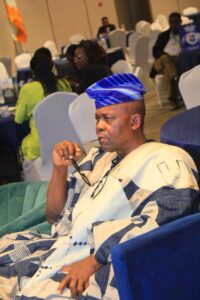
IPADA is built around the Yoruba concept of “the return.” The brainchild of Otunba Akinboboye, the initiative seeks to connect Africa and its diaspora through tourism, culture, business, education, religion, events, and other forms of engagement. The underlying idea is bigger than a festival. It is an ecosystem of return. A Continent-Building Initiative.
A diaspora visitor might arrive for a cultural celebration, explore historical sites, experience local cuisine and music, meet entrepreneurs, investigate investment opportunities, and build relationships that continue long after the journey home.
Otunba Akinboboye has consistently advanced the idea that African tourism should not be fragmented into isolated national destinations. The continent’s attractions, cultures, and commercial opportunities can be connected into a broader proposition for the global African diaspora. Ghana’s current strategy provides a practical example of why that proposition matters.
READ MORE: The Afro-Tourism Philosophy of Otunba Wanle Akinboboye
But the next question is what happens after the heritage experience.

Where does the visitor go?
Who do they meet?
What can they build?
Which business can they invest in?
Which community can they support?
And how can that relationship extend beyond Ghana to the rest of Africa?

Those questions create the possibility of a connected African tourism economy. And this is where Akinboboye’s IPADA vision acquires its wider significance.
That conversion can follow a simple progression:
Heritage → Travel → Cultural connection → Relationships → Investment → Community development.
The proposition is not simply to bring the diaspora back to Nigeria. It is to create gateways through which people can experience a broader Africa. Nigeria can be one gateway. Ghana can be another. Senegal, Kenya, Ethiopia, South Africa, and other destinations can form part of a connected network.
The result would be a shift from destination marketing to continental relationship-building.
READ MORE: Why Government Cooperation Matters to East-West Africa
For Otunba Akinboboye, tourism has always represented more than hotels, attractions, and visitor numbers. It can serve as a vehicle for cultural diplomacy, economic exchange, investment, and African integration.
That philosophy is increasingly visible in IPADA’s engagement with business and diaspora organisations, including recent efforts involving the National Black Chamber of Commerce and D Evans Consulting around trade, investment, workforce development, tourism, cultural exchange, and diaspora engagement.
The meaning of “return” is therefore expanding. It does not necessarily mean permanent relocation. It can mean returning to learn. Returning to invest. Returning to build relationships. Returning to contribute. And returning often enough for the relationship to become enduring.
Ghana is linking heritage tourism with investment and citizenship pathways. IPADA seeks to connect return with tourism, culture, business, and a wider continental experience. The future of diaspora tourism may therefore be measured by more than arrivals, hotel occupancy and festival attendance. It may be measured in businesses established, investments made, communities supported, cultural institutions strengthened, partnerships created, and relationships sustained.
That is the deeper significance of the return.