

By Damilola Adeyera
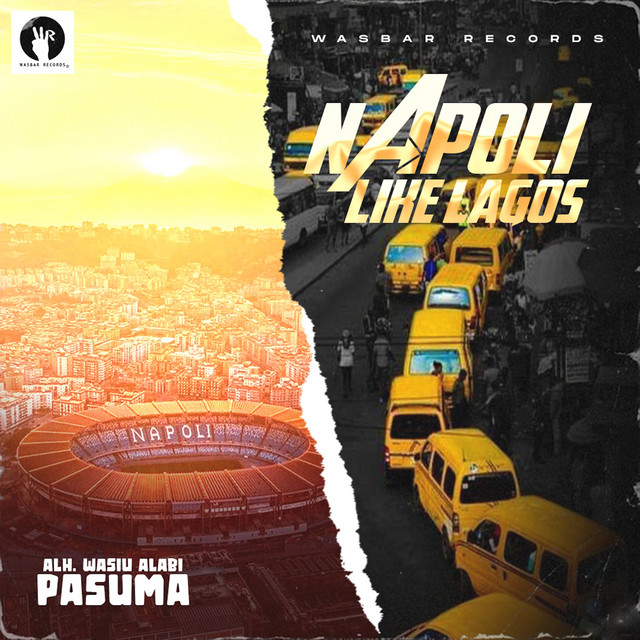
Released in 2007, Napoli Like Lagos is one of Fuji icon Wasiu Alabi Pasuma’s most recognized hit music.
Upon arriving in Naples, Campania to be precise, Pasuma was struck by the uncanny resemblance of the city to Lagos, his city. Far from the sterile, orderly image often associated with Western Europe, Naples thrummed with a familiar, chaotic vitality. The city mirrored the pulse of Lagos mainland hubs like Mushin and Oshodi.
Furthermore, Campania was home to a massive, tightly knit Nigerian diaspora.Pasuma channeled this atmosphere into an extended musical narrative which he titled: “Napoli Like Lagos”.

With the gangan, meshed together with the tunes of the guitar, and the tungba of the drums, Pasuma praised diaspora figures while celebrating the grit, resilience, and survival instincts that bind migrants to their roots. Napoli Like Lagos ultimately became more than a concert recording; it cemented a lasting cultural metaphor, celebrating the universal kinship of working-class hustle across two continents.
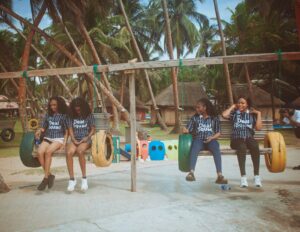
What Zanzibar is to Tanzania, La Campagne Tropicana could become to Nigeria. And what Napoli is to Italy, Lagos could become to Nigeria.
At first glance, these comparisons may appear ambitious. However, a closer look at the tourism, cultural, historical and economic possibilities of these destinations reveals an interesting conversation about identity, place branding and the future of African tourism.
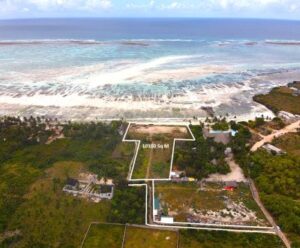
Zanzibar has grown beyond its geographical identity to become an internationally recognised tourism destination. Its beaches, rich Swahili heritage, architecture, cuisine and cultural experiences have made it a destination that attracts visitors from across the world. It is not simply a place to visit; it is an experience to anticipate.
La Campagne Tropicana Forest, River & Beach Resort, located in Ibeju-Lekki, Lagos State, with its African-themed forest, river and beach environment, offers a combination of natural attractions, cultural experiences, hospitality and entertainment.
Under the vision of its founder, Otunba Olawanle Akinboboye, La Campagne Tropicana has consistently pursued an African-centred approach to tourism. Its philosophy goes beyond providing accommodation or recreational facilities. It seeks to create an environment where visitors can experience Africa through its traditions, food, music, nature, storytelling and hospitality.
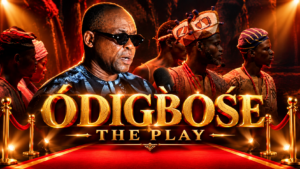
From the forest and river experiences to its African-themed architecture, cultural performances and indigenous cuisine, the resort offers a distinctive tourism proposition. Its growing creative and cultural initiatives, including Odigbose and other Atunda productions, further demonstrate the possibilities of combining tourism with the creative arts.
The comparisons between La Campagne Tropicana and Zanzibar, and between Napoli and Lagos, point to something beyond tourism. They reveal the importance of identity in determining how destinations are perceived and remembered.
A beautiful beach can attract visitors, but culture gives them a reason to stay. A good hotel can provide accommodation, but an immersive experience gives visitors a story to tell. A city can have impressive infrastructure, but its people, traditions and creative expressions give it character.
Zanzibar has its story. Napoli has its story. La Campagne Tropicana and Lagos have theirs.