
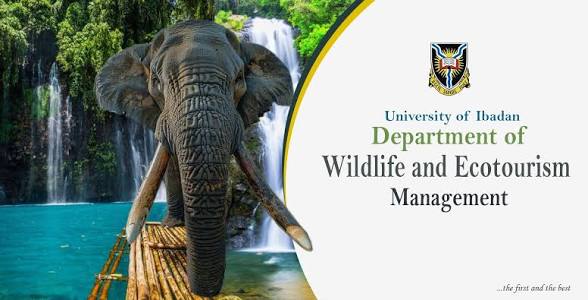

By Onyekachi Victoria Philip
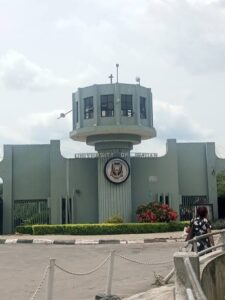
The University of Ibadan (UI) approaches tourism largely through wildlife, forestry, conservation and ecotourism, rather than operating a department simply titled Tourism Management.
One of the clearest tourism-related programmes identified in the university’s current admission requirements is Wildlife and Ecotourism Management, under the Faculty of Agriculture and Forestry.
The programme combines knowledge of wildlife management, conservation and tourism, preparing students for careers connected with natural-resource management and ecotourism.

UI also recognises qualifications in areas such as Tourism Management, Ecotourism Management, Hotel and Catering Management and Hospitality Management for relevant direct-entry consideration.
This makes UI particularly relevant to the nature-based tourism side of Nigeria’s tourism industry.
Rather than concentrating only on hotels and travel operations, the university’s approach connects tourism with forests, wildlife, conservation and sustainable use of natural resources.
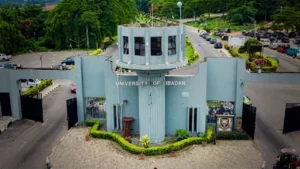
The university’s current admission information confirms that Wildlife and Ecotourism Management remains an identifiable programme area, with the institution continuing to recognise tourism, hospitality and ecotourism qualifications within its relevant academic pathways.
Otunba Wanle Akinboboye’s tourism impact is heavily based on converting Africa’s natural and cultural assets into commercially viable tourism destinations.
La Campagne Tropicana which he founded combines beach, freshwater, forest, African culture and hospitality.
The resort’s own history describes its founding vision as using African culture and natural environments to create tourism experiences while generating economic opportunities for host communities.

His more recent work has continued this philosophy. In 2026, his investment team visited Ekiti’s tourism attractions, including Arinta Waterfall and Ikogosi Warm Springs, as part of discussions around tourism investment and destination development.
Therefore, the strongest connection is conceptual: UI’s ecotourism and conservation education produces knowledge that can support the type of sustainable destination development Akinboboye is pursuing.
However, there is significant potential for collaboration between the two, particularly in:
- Ecotourism research
- Wildlife and conservation
- Sustainable resort development
- Tourism destination planning
- Student industrial training
- Tourism research projects
- Community-based tourism
- Environmental management