

By Onyekachi Victoria Philip
As Otunba Wanle Akinboboye marked 68 years on earth on August 16th, 2026, the celebration offers another opportunity to look beyond the awards, businesses, resorts and public recognition that have followed his name over the years.
Behind the tourism icon known today is a man whose younger years carried experiences that many people may never have heard about.
One of the lesser-known sides of his early life was his involvement in several activities as a student. He was not only focused on academics. He played goalkeeper, acted, wrote and headed his school’s debating society.
Away from football, he also found expression in writing, acting and public speaking. These creative interests would later become visible in different forms of his adult life, particularly through his involvement in entertainment, theatre, tourism and cultural projects.
But behind the young student who participated in these activities was another experience that revealed a more personal side of his upbringing.
Despite coming from an affluent family, Akinboboye recalled helping his mother sell kerosene.
His father was a major timber contractor in Ondo, yet this did not prevent him and his siblings from assisting their mother in her business. For a young man who had classmates who could easily recognise him, the experience was not always comfortable.
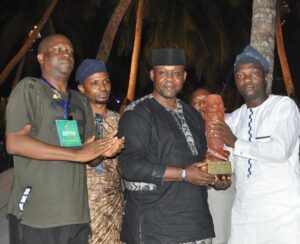
He reportedly admitted that he sometimes avoided selling kerosene in areas where his classmates lived because of embarrassment.
Years later, however, the same experience became part of the story of a man who would build his own identity through work.
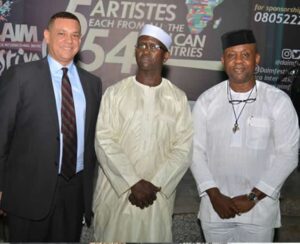
There was also the youthful Akinboboye who enjoyed life.
At about 16, he reportedly had access to his father’s car and would take it to parties. He described himself as popular during those years and recalled attending social gatherings with friends and girls.
It is a side of him that may surprise people who know him today mainly as a serious businessman, tourism developer and cultural advocate.

The young boy who attended parties with his father’s car, played football, acted and participated in debates would eventually become a man whose name would be associated with large tourism projects and African cultural development.
Yet perhaps one of the most revealing parts of his story is that he did not allow his early privileges, youthful experiences or later success to limit his imagination.
His creative side continued to follow him.
Akinboboye has also ventured into playwriting and production, using drama as another way of telling African stories. His works have explored subjects connected to African history, including the trans-Atlantic slave trade and the journey of Africans through different periods of history.

He has not only built places for people to visit. He has also tried to use storytelling to make people understand where they come from.
And while his career has brought him into contact with government officials, traditional rulers, international organisations, business leaders and other influential personalities, Akinboboye has repeatedly maintained that politics is not his calling.

Despite his relationships and influence across different sectors, he has publicly indicated that he does not intend to become a politician.
For him, his purpose lies elsewhere.That position becomes more significant when viewed against the number of years he has spent building projects and movements that naturally place him in conversations about development.
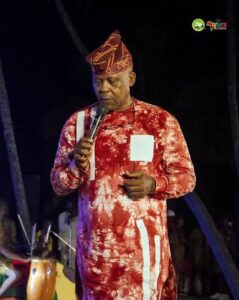
Rather than seeking political office, he has chosen entrepreneurship, tourism, entertainment, culture and continent-building as his own avenues of influence.
At 68, Akinboboye’s story remains a reflection of a life that has continued to move from one field into another without completely abandoning the interests that shaped him as a young man.
The writer remained a writer.
The actor remained a storyteller.
The young dreamer became a builder.
And the boy who once stood between the goalposts eventually found himself standing at the centre of a much bigger dream,one focused on Africa, its people, its culture and its future.