

By Onyekachi Victoria Philip
As La Campagne Tropicana continues to expand its tourism footprint across Taraba State, its emerging agro-tourism project in the Zango Kombi area is taking shape as a distinctive destination where agriculture, hospitality, culture and leisure converge.
Known for its diverse tourism developments, including its forest, river and beach destination, hill and caves experience and lake resort, La Campagne Tropicana is now extending its concept into agriculture, introducing a farm-based tourism model designed to give visitors an experience beyond conventional sightseeing.
The development aligns with the broader agro-eco-tourism and heritage vision being promoted by La Campagne Tropicana President and Founder, Otunba Wanle Akinboboye, in partnership with the Taraba State Government.

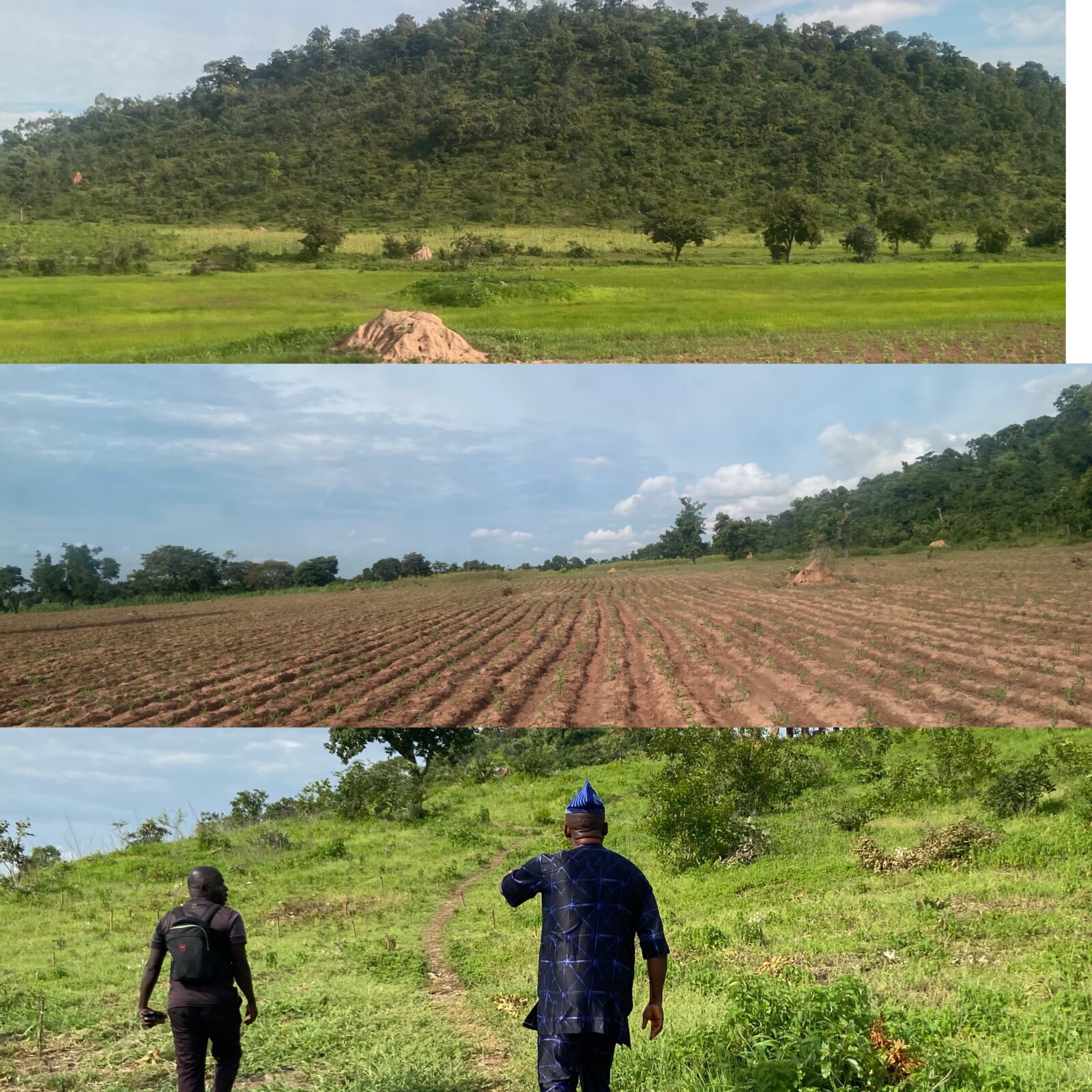
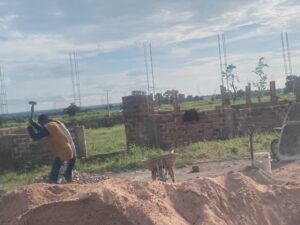
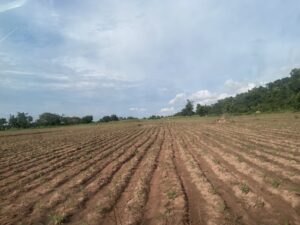
At Zango Kombi, construction work is steadily giving form to a tourism environment surrounded by expansive agricultural landscapes. Beautiful chalets are emerging along the green landscape, overlooking extensive stretches of farmland that appear to run deep into the horizon.
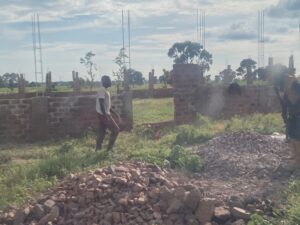
The setting presents accommodation facilities positioned to give visitors views of the surrounding agricultural environment while creating a peaceful atmosphere for relaxation and leisure.
Beyond its hospitality facilities, the location’s extensive farmlands provide the foundation for an experience that places agriculture at the centre of tourism.
The concept is designed to move farming beyond the traditional image of agricultural production by introducing leisure, hospitality, cultural experiences and recreation into the agricultural environment.
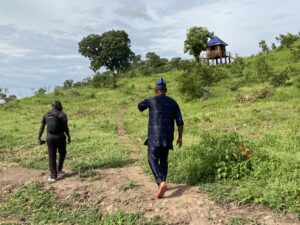
Visitors would not simply come to stay in a resort, they would be able to experience the landscape, understand the agricultural activities around them and connect with the culture and natural environment of Taraba.
With its vast agricultural landscape, Zango Kombi offers a natural setting for such a concept. The farm resort creates room for agriculture to exist alongside hospitality, potentially generating multiple streams of economic activity through accommodation, food, recreation, cultural experiences, tourism services and agricultural products.
The development also introduces a new dimension to Taraba’s tourism identity, where the state’s agricultural strength becomes part of the visitor experience rather than remaining separate from tourism.
One of the striking features of the Zango Kombi development is its elevated landscape, with a hill overlooking the green surroundings and extensive farmland below.
From the elevated terrain, the landscape opens into a broad view of the agricultural environment, creating a natural vantage point for visitors to appreciate the scale of the farmland and the surrounding scenery.
The location’s proximity to an airport further strengthens its potential as a tourism destination, offering accessibility for visitors travelling from other parts of Nigeria and beyond.
For a visitor arriving from outside Taraba, the experience therefore does not necessarily end at the airport. Within a short drive, the journey can transition from aviation and urban movement into a landscape dominated by greenery, agriculture and a developing hospitality destination.
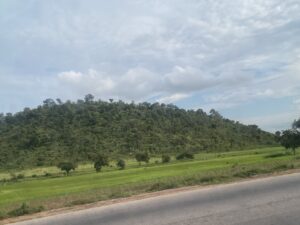
This accessibility is significant to the larger vision behind the project, particularly as Taraba seeks to position itself as a destination capable of attracting visitors beyond its immediate population.
The Zango Kombi project is also part of the wider tourism development vision that includes multiple destinations across Taraba State.
La Campagne Tropicana’s broader assignment covers tourism products in areas including Jalingo, Zango Kombi, Woyun, Gashaka Gumti and the Mambilla Plateau in Gembu.
The objective is to build tourism experiences around the state’s natural environment, agriculture and cultural heritage while creating economic opportunities for communities and investors.
The strategy could also provide a new platform for young people to see agriculture as more than traditional farming.
By bringing accommodation, recreation, hospitality and cultural experiences into the agricultural environment, the project presents farming as a potential business, tourism and lifestyle opportunity.
For Taraba, whose identity is strongly connected to its natural landscapes and agricultural resources, the development represents an attempt to turn those existing assets into experiences capable of generating sustained economic value.
The Zango Kombi project therefore stands at the intersection of two industries that have enormous potential in the state: agriculture and tourism.
Its emerging chalets, expansive farmlands and elevated natural landscape provide the physical foundation, while the integration of hospitality and culture supplies the experience.