

By Onyekachi Victoria Philip
There are places people travel to because they have been told to visit them. Then there are places that make you want to pack a bag simply because of what awaits you there.Zango Kombi in Taraba State may soon belong to the second category.
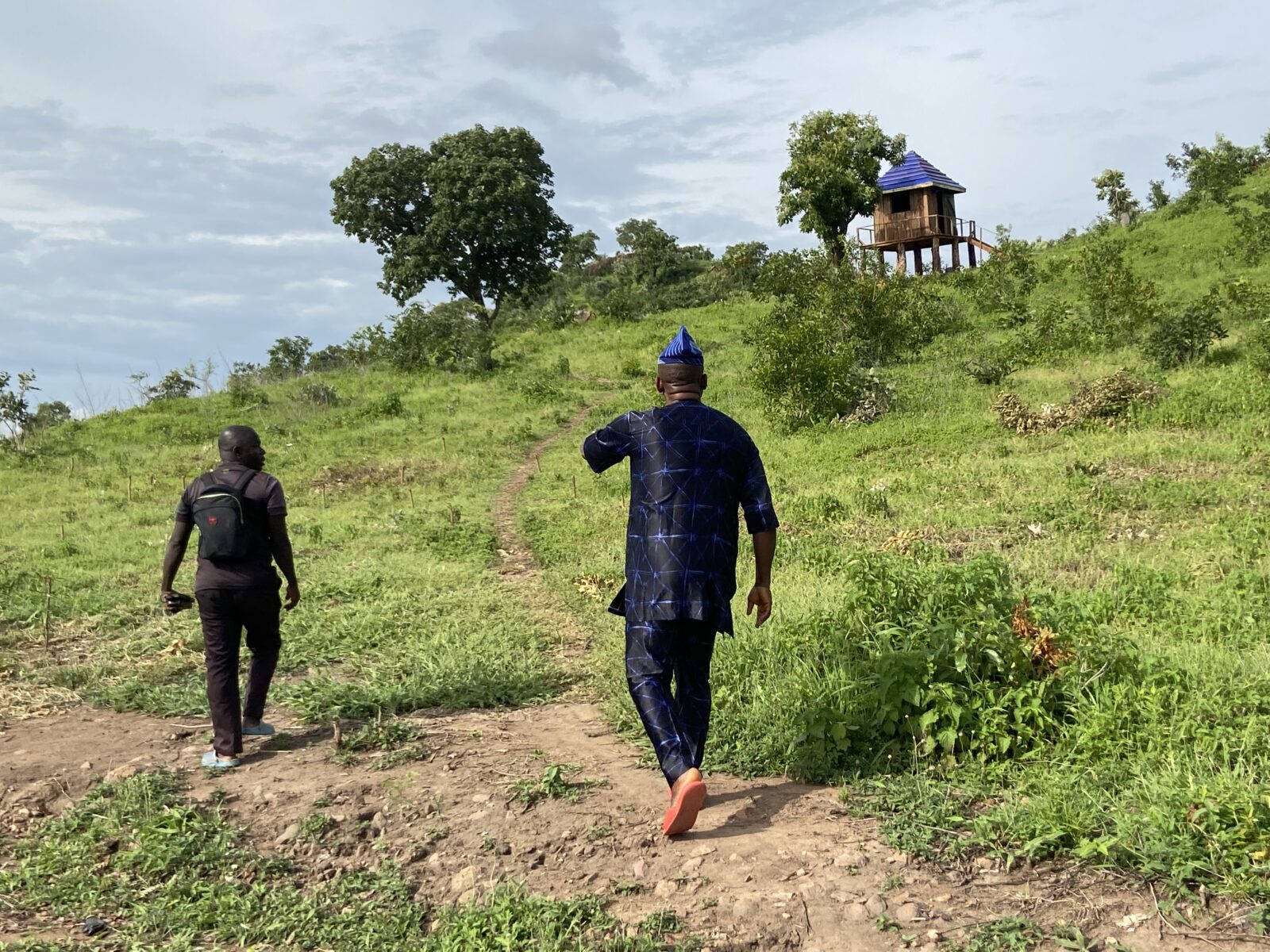
Away from the rush of Lagos life, Abuja life, the landscape opens into expansive farmlands, green fields and the quiet beauty of rural Taraba, creating a standard environment where agriculture is not merely an occupation but part of the tourism experience.
It is within this environment that a new idea of hospitality is taking shape, one that seeks to bring together farmland, nature, accommodation, recreation and culture to create a destination where visitors can slow down, explore and experience a different side of Nigeria.
For a traveller looking beyond conventional hotels and crowded tourist attractions, Zango Kombi offers something increasingly rare as you have the opportunity to stay close to nature while experiencing the agricultural life of the community.
The development also comes at a significant time for Taraba’s tourism ambitions.
The state has approved a 2,500-hectare agro-ecotourism development spread across 12 locations, with Zangon Kombi identified among the sites. The wider plan is designed to connect tourism with agriculture, nature and leisure across different parts of the state.That positioning gives Zango Kombi an advantage beyond its immediate landscape.
It can become a place where a visitor does not simply arrive, check into a room and leave.Instead, the journey can begin from the accommodation itself.
A morning could open with views of the surrounding farmland, followed by a walk through agricultural landscapes, locally sourced meals, outdoor recreation and opportunities to experience the culture and everyday life of the community.
For families, it could provide an escape from the city. For corporate organisations, a perfect setting for retreats and team activities. For travellers, an opportunity to discover a less explored side of Taraba. And for tourists moving through the state, it could become a comfortable stop within a wider Taraba tourism circuit.
Its relationship with Jalingo further strengthens the proposition.Zango Kombi sits within the Jalingo axis, providing access to the state capital and its government, institutional and commercial activities. This means its hospitality potential is not dependent entirely on leisure tourists.
Conferences, workshops, retreats, official engagements, business visits and other organised activities can create additional demand for accommodation and hospitality services.
The location also benefits from access to the Danbaba Suntai Airport in Jalingo, providing an important connection for visitors travelling into the area.
But perhaps the most exciting possibility is what happens when Zango Kombi is connected to the rest of Taraba’s tourism map.
The state is home to a collection of landscapes and attractions capable of supporting a multi-destination tourism experience, stretching from the Jalingo axis towards places such as Ibi, Gashaka, Bali and the Mambilla region.
Zango Kombi could therefore serve as more than an isolated resort location.It could become part of a journey.
A visitor could arrive in Taraba, explore Jalingo, retreat into the green landscape of Zango Kombi, experience its agricultural environment and then continue towards other destinations across the state.That possibility gives hospitality a greater purpose.
The goal is not simply to provide beds for travellers. It is to create a reason for travellers to stay longer, explore further and return.And agriculture could be at the heart of that experience.
With its extensive farmlands, Zango Kombi has the potential to develop an agro-tourism model in which visitors see where food comes from, experience local agricultural practices and enjoy meals connected to the land around them.
Such a model could also bring residents into the tourism economy.
Farmers could supply hospitality facilities. Local food producers could become part of the value chain. Artisans, tour guides, transport operators, entertainers and young people could find opportunities created by increased visitor activity.
In that sense, the resort is not merely about the visitor.
It is also about what the visitor leaves behind.
Every additional night spent in Zango Kombi can mean income for a local supplier. Every meal can create demand for agricultural produce. Every organised tour can create work for a guide. Every event can bring business to transport operators and other service providers.
Imagine waking up away from the noise of the city, stepping outside to an expansive landscape of green fields, spending the day exploring the agricultural environment, eating locally sourced food and returning to comfortable accommodation as the day winds down.
Adding to Zango Kombi’s emerging hospitality appeal is the development of La Campagne Tropicana’s agro-tourism project, where construction is taking shape against the area’s expansive farmlands and natural landscape.
The emerging development is designed to blend hospitality with agriculture, where visitors can experience the tranquillity of the countryside while enjoying purpose-built accommodation and leisure facilities.s.
Zango Kombi’s opportunity, therefore, is not to imitate Lagos, Abuja or other conventional hospitality destinations.Its strength is precisely that it is Zango Kombi.
Its farms, landscape, culture and rural character can become the attraction.
With the right infrastructure, environmental standards and meaningful participation of the host community, the emerging hospitality development could transform the area into a destination where agriculture meets leisure and where the journey itself becomes part of the holiday.
For a state increasingly looking towards tourism as a pathway for economic diversification, Zango Kombi could offer a compelling proposition:Come for the landscape. Stay for the experience. Leave with a reason to return.
And perhaps that is what makes Zango Kombi worth watching, not because it is trying to become another tourist destination, but because it has the potential to show visitors a side of Taraba they have never experienced before.