

By Damilola Adeyera
On 15 September 2026, the Federal Ministry of Art, Culture, Tourism, and the Creative Economy officially flagged off “Ember to Remember 2026”, a 100-day national tourism season running from September through December.
The initiative aims to unlock Nigeria’s estimated $100 billion tourism and creative economy potential by organising, packaging, promoting, and monetising the country’s festivals, concerts, cultural celebrations, food experiences, fashion, nightlife, and destination attractions under one coordinated national calendar.
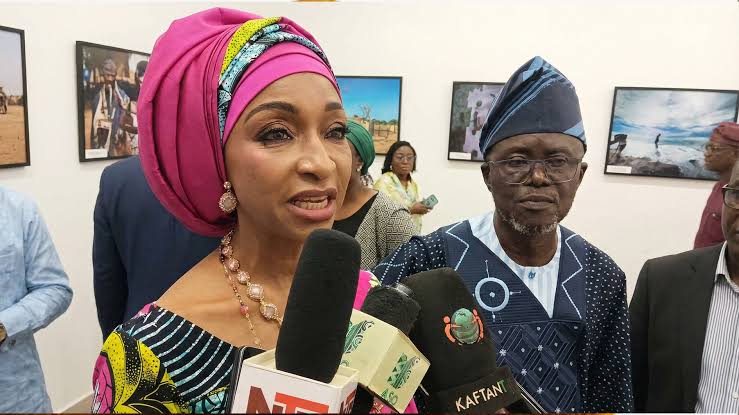
Speaking at the Ember to Remember National Stakeholders Conference held at Eko Hotel, Lagos, Minister Hannatu Musa Musawa emphasised that the goal goes far beyond seasonal celebration:“This initiative is about moving beyond the traditional concept of a festive season. It is about deliberately organising, packaging, promoting and monetising one of the most economically active periods in our national calendar. Nigeria has the culture. Nigeria has the creativity. Nigeria has the people. Nigeria has the market. Now, we must build the economy around it.”
The minister noted that every visitor creates a value chain spanning aviation, transportation, hotels, restaurants, entertainment, retail, technology, artisans, and local communities. The $100 billion target, she stressed, will only be achieved through a full ecosystem involving government, private sector, state governments, creatives, and communities.
A key highlight of the launch was the unveiling of a National Digital Events and Experiences Calendar, powered by MyCityApp and MyLagosApp. CEO of MyCityApp, Ifeoma Chukwu, explained that the platforms will serve as a single, credible gateway where Nigerians at home, members of the diaspora in London, New York, Johannesburg, Toronto and beyond, as well as international visitors, can discover festivals, concerts, hotels, restaurants, cultural attractions, and experiences across all 36 states and the Federal Capital Territory.
“When we speak about building a $100 billion tourism economy, it may sound ambitious. But globally, the evidence tells us it is achievable… The question is not whether a $100 billion tourism economy is possible. It is: why not Nigeria?”, he said.