

By Onyekachi Victoria Philip
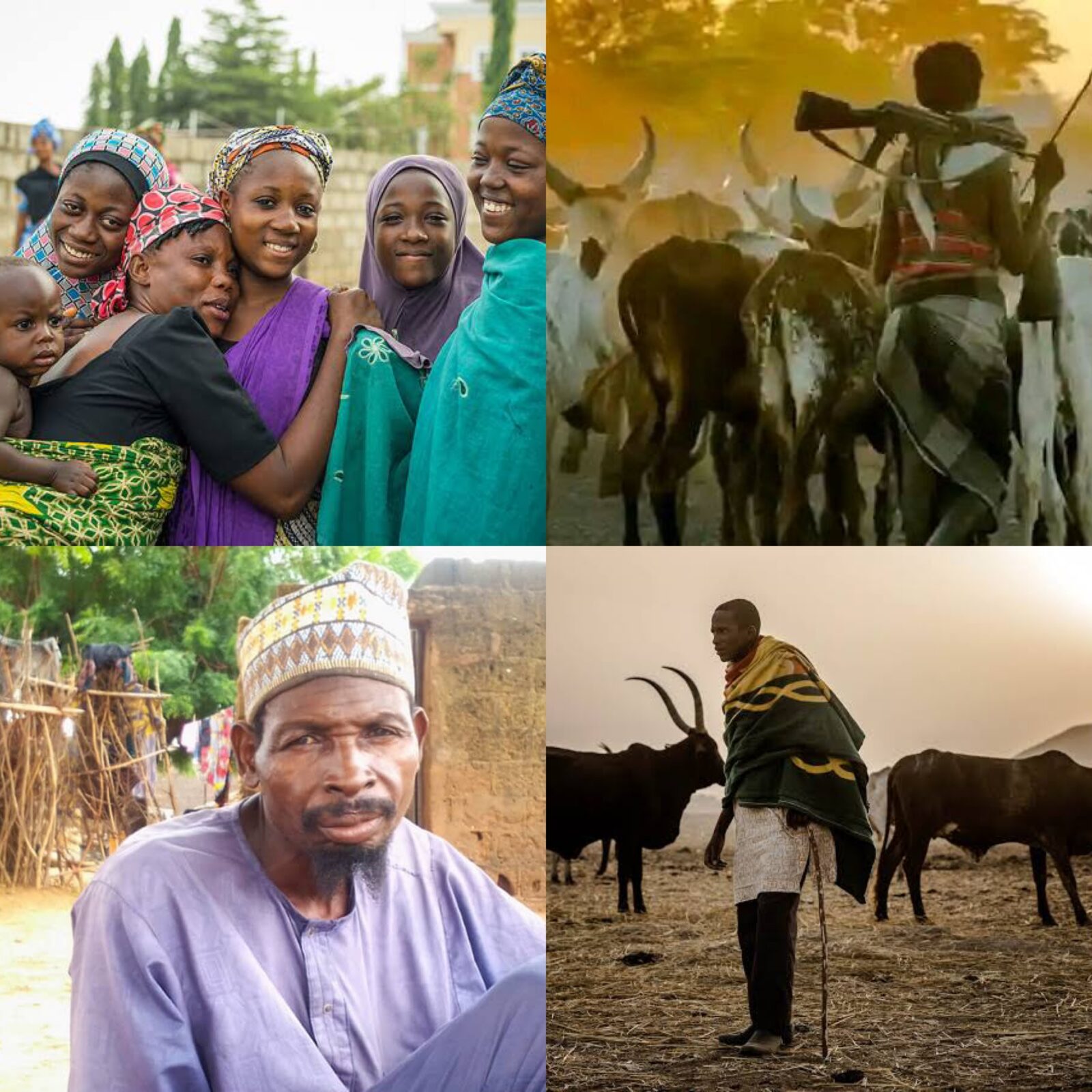
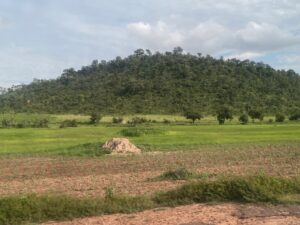
Beyond the wide savannahs, gentle roads and cool northern breeze lies another side of Northern Nigeria that cannot be captured by photographs of its landscapes alone.
It is found in the people.
Travelling through the North, particularly along the roads leading towards Jalingo, Taraba State, offers a different rhythm of life.
The roads may appear calm, the environment spacious and the atmosphere noticeably less hurried than the familiar bustle of Lagos, but beneath that calm is a people deeply connected to community, trade and everyday survival.
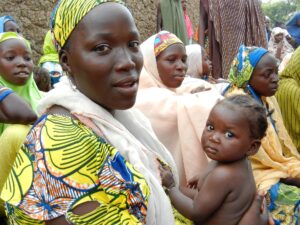
On one of the roads, a bus carrying northern passengers suddenly broke down. Rather than the immediate frustration and commotion that can accompany such situations in a busy city, the moment gradually became an opportunity for ordinary life to continue.
A group of Hausa women, dressed in their traditional attire, squatted beside a roadside trader and carefully selected items from her wares.
There was no drama or rush.
Just trade continuing beside a broken-down vehicle.
The scene captured something significant about life in the North which does not necessarily mean idleness.
There is a quiet hustle woven into the everyday lives of many communities.
Further along the journey, a truck arriving from Abuja encountered difficulties on the road. What followed was another reflection of communal living as people nearby offered assistance, seemingly without first asking what they would receive in return.
In such moments, the North reveals a side of Nigeria often overlooked, a place where community can sometimes matter as much as individual convenience.
The difference becomes even more noticeable when compared with the fast-moving atmosphere of Lagos.
Lagos is famously energetic. Its roads are crowded, its streets constantly moving and its residents often racing against time. Northern communities, by contrast, can offer a slower rhythm, one where people appear to have more room to pause, interact and observe their surroundings.
But beneath that quietness is a determination to work.
In some northern communities, even young children can be seen participating in traditional rural activities, including helping to guide cattle along the roads and open spaces under the watch of older people.
For both boys and girls, such experiences can introduce them early to responsibility, rural life and the realities of their communities.
It is a sharp contrast to the childhood experience of many children in urban centres such as Lagos, where formal education, technology and city life dominate their daily routines.
Neither experience tells the complete story of childhood in Nigeria. They simply reveal two different environments shaping young Nigerians in very different ways.
And perhaps that is the most fascinating lesson from travelling through the North.
The region is not simply about savannahs, mountains, cattle, ancient traditions or beautiful landscapes. Its deeper attraction lies in the people, their patience, communal instincts, entrepreneurial spirit and ability to find a way forward even when ordinary life is interrupted.
From a roadside trader serving customers beside a stranded bus to strangers lending a helping hand to a broken-down truck, Northern Nigeria quietly demonstrates that peace and hustle can exist in the same place.
Away from the noise of the cities, the North tells its own story, slowly, simply and through the everyday actions of its people.