

By Damilola Adeyera
From the industrial landscape of Lagos to the coastal city of Lamu, Kenya, a new chapter in Africa’s economic integration is taking shape.
Nigeria’s Aliko Dangote on Wednesday, September 30, 2026, held the groundbreaking for a $16 billion oil refinery in Lamu, Kenya.
The 700,000-barrel-per-day refinery is designed to supply refined petroleum products to Kenya and neighbouring markets while supporting wider industrial development in the region.
READ MORE: Why Government Cooperation Matters to East-West Africa
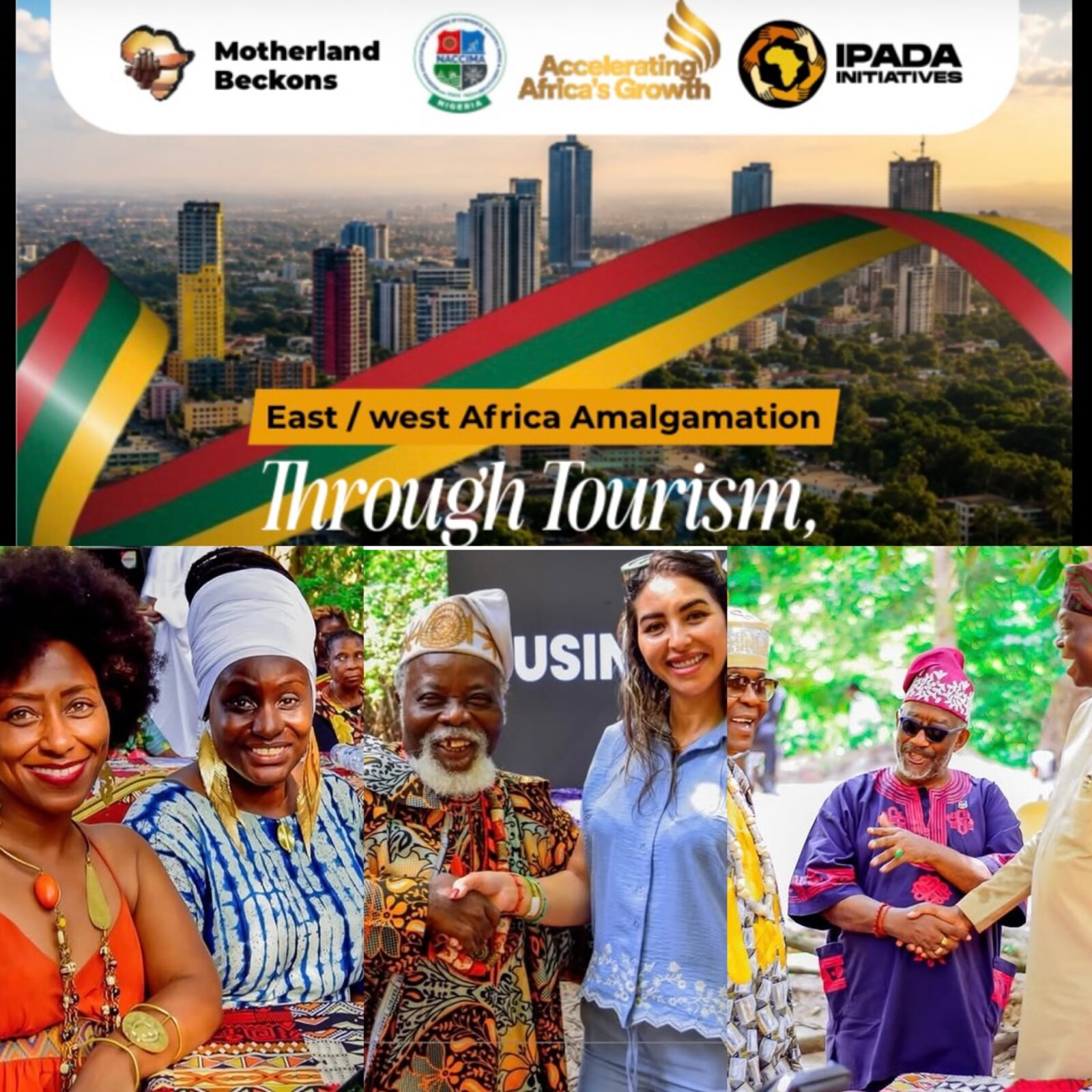
This development gives fresh relevance to the East-West Africa Amalgamation vision championed by Otunba Wanle Akinboboye, founder of La Campagne Tropicana, alongside others. At its core, the vision advocates stronger connections between African regions through tourism, trade, investment, infrastructure, and the creative industries.
West Africa is not operating in isolation from East Africa. Nigerian expertise, capital, and entrepreneurship are increasingly finding opportunities across the continent, while East African infrastructure provides new platforms for production, logistics, and trade.
Lamu itself is strategically positioned within the Lamu Port-South Sudan-Ethiopia Transport Corridor, known as LAPSSET. The refinery is therefore connected to a wider infrastructure ambition linking Kenya’s coast with inland markets and neighbouring countries.
READ MORE: PhotoStory: East West Amalgamation Brings Two African Giants Together
This is where the idea of African amalgamation moves from rhetoric to infrastructure.
A refinery does more than process crude oil. Around a major industrial facility can emerge transportation networks, logistics services, manufacturing, petrochemicals, employment, technical expertise, and new commercial relationships. Reports indicate that the Lamu project is also expected to support related industries, including fertiliser, chemicals, and packaging.
For the East-West Africa Amalgamation vision, this is the kind of cross-regional connection that can help reduce the psychological and economic distance between African regions. Tourism can connect people. Trade can connect markets. Culture can connect identities. Infrastructure and investment can connect economies.
Together, these connections can create a more integrated continental marketplace.
The lesson is clear: African integration cannot depend only on political declarations. It must also be built through businesses, investments, infrastructure, tourism, technology, trade, and people-to-people relationships that make the continent increasingly interconnected.
READ MORE: African Countries Should Not Compete Against One Another, Otunba Wanle Akinboboye
The refinery rising in Lamu may therefore become more than an energy project. It could become another physical expression of an Africa in which the success of one region increasingly creates opportunities for another. Reinforcing Otunba Olawanle Akinboboye’s mantra that African countries must complete one another and not compete against each other.