

By Onyekachi Victoria Philip
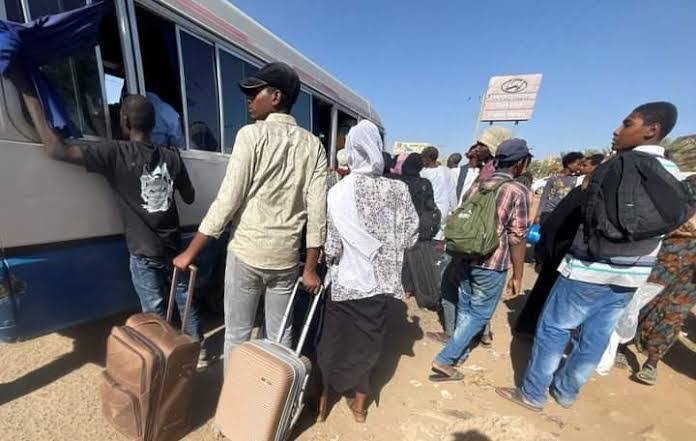
As road travel in 2026 now comes with security concerns in Nigeria and is still one of the major means of movement across Nigeria due to exorbitant air travel prices, passengers travelling to the northern region or any other part of Nigeria are being advised to take deliberate security precautions before and during their journeys.
With some highways experiencing security challenges, travellers are encouraged to avoid careless decisions that may expose them to unnecessary risks. Security experts revealed that personal awareness, proper planning, and cautious behaviour remain important tools for improving safety during long-distance trips.
Although no safety measure can completely remove the possibility of danger, adopting responsible travel habits can help reduce vulnerability.
Plan Your Journey Before Departure
One of the most important steps towards a safer journey is proper preparation. Travellers should research their intended routes, identify possible security concerns, and avoid travelling without adequate information.
Passengers should:
- Know the major towns and stops along their route.
- Confirm the reliability of the transport company before booking.
- Avoid boarding vehicles from unknown operators or roadside locations.
- Share their travel plans with trusted family members or friends.
- Keep important emergency contacts available.
Travel During Safer Hours
Security professionals advise travellers to avoid unnecessary night journeys, especially on unfamiliar roads.
Daytime travel provides better visibility and increases the chances of accessing help in case of emergencies. Travellers should also avoid arriving at unknown destinations late at night where possible.
Choose Reliable Means of Transportation
The choice of transportation plays a major role in travel safety.
Passengers should consider:
- Using established transport companies with recognised terminals.
- Avoiding vehicles that appear poorly maintained or suspicious.
- Confirming driver and vehicle details before departure.
- Travelling with trusted drivers when using private vehicles.
Avoid Publicising Your Movement
Travellers are advised to be careful about what they share online.
Posting details such as:
- Exact travel dates,
- Departure times,
- Routes,
- Current locations,
- Expensive items being carried,
can unnecessarily expose personal information.
It is safer to share travel updates privately with trusted individuals rather than publicly.
Remain Alert During the Journey
Passengers should avoid becoming completely distracted throughout the trip.
Security awareness includes:
- Paying attention to surroundings at bus parks, rest stops, and fuel stations.
- Avoiding excessive conversations about personal details with strangers.
- Being cautious when accepting assistance from unknown persons.
- Not revealing information about where they live, work, or the purpose of their trip.
For Private Vehicle Owners
Motorists travelling long distances should take additional precautions, including:
- Servicing their vehicles before departure.
- Carrying basic emergency tools.
- Keeping fuel levels adequate.
- Avoiding isolated roads where possible.
- Using trusted fuel stations and rest points.
- Locking doors while driving and avoiding unnecessary stops in lonely areas.
- Having emergency numbers saved and easily accessible.
During Security Checks and Road Stops
Travellers will definitely encounter numerous checkpoints or security personnel along major routes due to the security concerns in the country so they should remain calm, respectful, and cooperative during legitimate checks.
Passengers should avoid arguments or actions that could escalate situations and should comply with lawful instructions from security officials.
Travel With Emergency Preparedness
A prepared traveller should consider carrying:
- A fully charged phone and power bank.
- Some emergency cash kept separately.
- Identification documents.
- Basic medication and personal essentials.
- A list of important contacts.
Avoid Travelling Alone Where Possible
Long-distance journeys can be safer when travellers have companions. People travelling alone should maintain regular communication with trusted contacts and inform someone when they arrive at major points along their route.
Trust Your Instincts
If a situation, vehicle, route, or location feels unsafe, travellers should take it seriously and seek safer alternatives where possible.
Security is not only about responding to danger but also about recognising warning signs early.
Safe Journey!