
By Onyekachi Victoria Philip
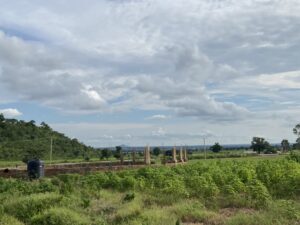
The La Campagne Tropicana Agro-Ecotourism Heritage Resort at Zangon Kombi is one of the major components of the state’s ambitious agro-ecotourism programme, being developed in partnership with La Campagne Tropicana Resort Group.
The project forms part of a much larger vision that seeks to transform tourism, agriculture, culture and the natural environment into interconnected economic opportunities across Taraba.
Rather than developing a conventional hotel or isolated holiday facility, the programme is designed around an integrated model that brings together tourism, agriculture, ecology, African heritage, hospitality, entertainment and recreation.
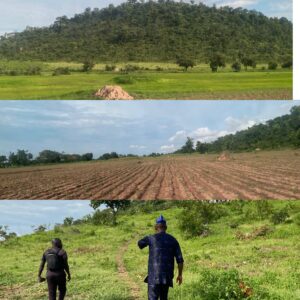
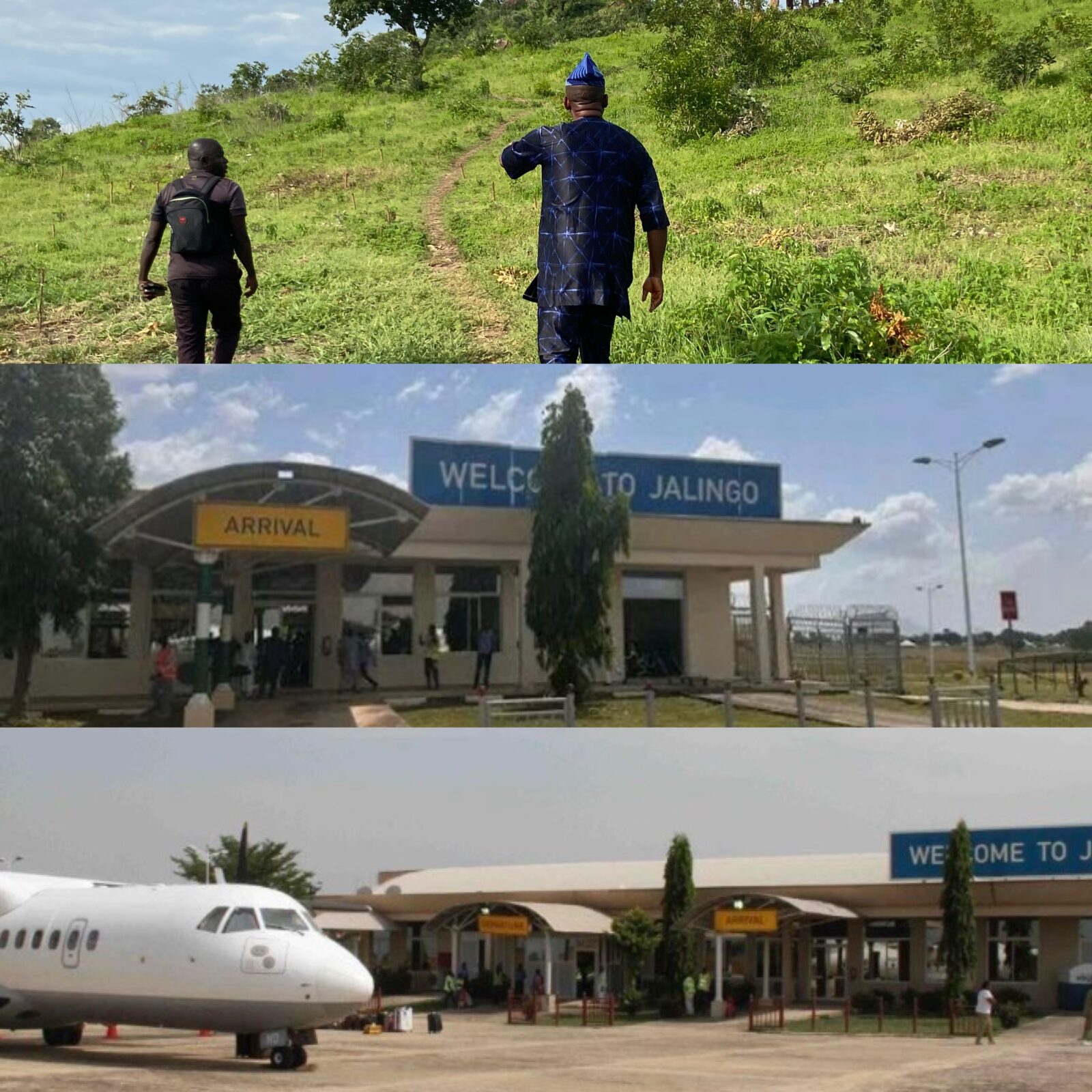
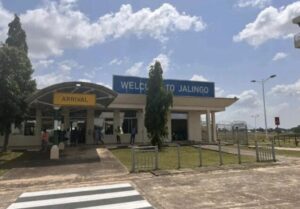
At the centre of this strategy is Zangon Kombi, whose location close to Danbaba Suntai Airport in Jalingo gives it a particularly important potential role in the state’s tourism network.
The wider Taraba agro-ecotourism initiative covers approximately 2,500 hectares across 12 locations, making it larger than a single resort development. Its objective is to create a connected tourism system capable of encouraging visitors to explore different parts of the state while generating economic opportunities for local communities.
Zangon Kombi and the advantage of location
One of the most significant advantages of Zangon Kombi is accessibility.
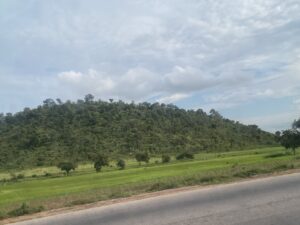
Taraba is endowed with impressive range of tourism assets, including mountains, lakes, forests, waterfalls, cultural communities, agricultural landscapes, festivals and other natural and heritage attractions. However, many of these destinations are spread across different parts of the state.
For a visitor arriving in Taraba, therefore, the first challenge can be understanding where to begin.This is where Zangon Kombi has the potential to become strategically important.
The resort is reported to be only a few kilometres from Danbaba Suntai Airport in Jalingo. Its proximity to the airport means that visitors arriving by air could potentially move almost immediately from the state’s aviation gateway into a purpose-built tourism environment.

Instead of arriving in Jalingo and treating the city simply as a transit point before travelling several hours to another attraction, a visitor could potentially begin experiencing Taraba’s tourism identity at Zangon Kombi.
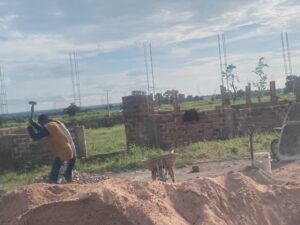
This is why the resort can potentially function as a gateway destination for Taraba tourism.
The airport connection
The relationship between Zangon Kombi and Danbaba Suntai Airport becomes even more significant in light of developments at the airport.
In May 2025, Vice President Kashim Shettima inaugurated the rehabilitated and expanded Danbaba Suntai Airport during the Taraba International Investment Summit.
The state’s 2025 budget documents also made provisions relating to airport infrastructure, including safety equipment, perimeter fencing and erosion-control measures at Danbaba Suntai Airport.
For tourism, improved aviation infrastructure is important because accessibility is one of the foundations of destination development.
A state may possess mountains, lakes, forests, wildlife and cultural attractions, but attracting visitors from outside the state requires effective transportation links.
An improving airport therefore creates the possibility of bringing more visitors into Taraba by air, while a major tourism development located close to that airport can potentially provide an immediate destination for those visitors.
The significance of Zangon Kombi becomes clearer when the project is viewed through the La Campagne Tropicana. If the development were simply a hotel constructed near an airport, its role in Taraba’s tourism strategy would be relatively straightforward.But that is not the concept being presented.
The wider Taraba project combines heritage, ecotourism, hospitality, agriculture and entertainment, creating a tourism experience that goes beyond conventional accommodation.
The project encompasses leisure, ecotourism and agriculture, while La Campagne Tropicana founder Otunba Wanle Akinboboye explained the concept around using tourism to promote agriculture and agriculture to promote tourism.

Under this approach, agriculture is not necessarily something happening somewhere behind the resort.It can become part of the tourism experience itself.The landscape can become an attraction.Food can become part of the visitor experience.African architecture can become part of the identity of the destination.
This is the fundamental idea behind an agro-ecotourism heritage resort.
The meaning of “agro”
The agricultural component is one of the most distinctive elements of the project.
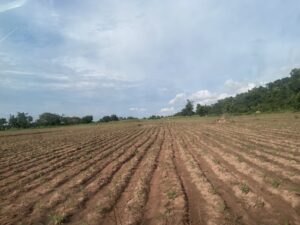
Taraba is an agricultural state, but the purpose of incorporating agriculture into the tourism model is not simply to acknowledge that fact.The objective is to make agriculture itself part of the tourism value chain.
Under such a model, visitors could potentially encounter cultivated landscapes, local crops, food production, traditional farming practices and other agricultural activities as part of their tourism experience.
Agricultural experiences could potentially be linked with indigenous food preparation, local cuisine, demonstrations, farm-based activities and rural cultural experiences.This creates a connection between what the tourist sees and what the surrounding community produces.It can also help change perceptions about agriculture.
Akinboboye has once argued that young people can associate farming with hardship and poverty, and that combining agriculture with tourism and entertainment can help create a different perception of farming and make it more attractive to younger generations.The concept, therefore, is not simply to build a farm beside a hotel.
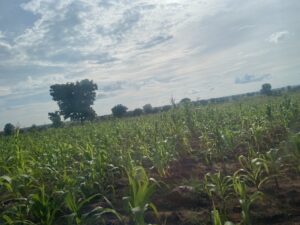
It is to turn agriculture into part of the tourism experience and, ultimately, part of the economic value chain.
The heritage dimension
The resort is being conceived around an African tourism philosophy rather than as a generic international hotel that could exist anywhere in the world.
Its identity can therefore draw from elements such as African architecture, traditions, food, arts, crafts, storytelling, music, cultural performances, community life, history and the African relationship with nature.
A properly developed heritage resort can give visitors an opportunity to encounter aspects of the state’s identity rather than simply visiting a modern hotel located within its territory.
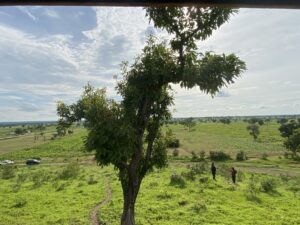
That gives Zangon Kombi a potential role in cultural tourism, in addition to leisure and hospitality.
The visitor is not merely expected to see Taraba.
The visitor can potentially experience Taraba.
A gateway to Taraba’s wider tourism circuit
Perhaps the most important point about Zangon Kombi is that it should not be viewed as an isolated project.
Its significance becomes much clearer when considered as one component of Taraba’s wider agro-ecotourism network.
The state has allocated approximately 2,500 hectares across 12 locations for the programme, creating the framework for a connected tourism circuit.
Reported locations and project components
LA CAMPAGNE TARABA APPROVED PROJECTS SITES ON 2,500 HECTARES OF LAND WITH GOVERNMENT C OF O. A ONE BILLION DOLLARS INVESTMENT PROJECT-AND GOVERNMENT 20%PARTICIPATION.
THE BIGGEST TOURISM DEVELOPMENT PROJECT IN THE HISTORY OF NIGERIA.
1. LA CAMPAGNE Tropicana Agro, Eco, Heritage Resort Zango Kombi Ardo-Kola
2. LA CAMPAGNE Tropicana Nwonyo lake Resort Ibi
3. LA CAMPAGNE Tropicana Rest area Zango Kombi
4. La CAMPAGNE Tropicana Rest area Mahula Bali
5. LA CAMPAGNE Tropicana Rest Area Gayam, Gashaka
6. LA CAMPAGNE Tropicana Agro, Eco, Heritage Resort Mayo Selb, Gashaka
7. LA CAMPAGNE Tropicana Tropicana Rest area Biyudasisi, Mambilla
8. LA CAMPAGNE Tropicana Water fall Resort Jurgel Mambilla
9. LA CAMPAGNE Tropicana Agro Eco, Heritage Resort Abong Kurmi LGA
10. LA CAMPAGNE Tropicana Water Agro Eco Heritage Resort NGADA SDA
11. LA CAMPAGNE Tropicana Rest area Gurgu Mambilla
12. LA CAMPAGNE Tropicana Kwararafa Rest area Gasol.
Situated close to Danbaba Suntai Airport in Jalingo, the resort has the potential to become one of the first places visitors encounter when they arrive in Taraba by air.
But its purpose goes beyond receiving tourists.
Through the wider agro-ecotourism concept, Zangon Kombi is designed to bring together agriculture, African heritage, ecology, hospitality, recreation and entertainment, creating an experience in which the visitor can encounter different dimensions of Taraba in one destination.
More importantly, it is part of a wider network covering approximately 2,500 hectares across 12 locations.
That means the real story of Zangon Kombi is not simply the construction of another resort.
It is the possibility of creating a gateway into a connected Taraba tourism circuit.
From the airport to Zangon Kombi, from Zangon Kombi to Nwonyo Lake, the Mambilla highlands, Gashaka and other destinations, the vision is to make visitors stay longer, travel farther, experience more of Taraba and contribute more to the state’s tourism and local economy.
When successfully developed and properly connected, Zangon Kombi will definitely become more than just a resort.
It could become one of the front doors through which the world discover Taraba.