

Ta’asa: How to Export Your Culture
By Damilola Adeyera
The stage is set. “Ladies and gentlemen, welcome on stage….”, the Master of Ceremony’s hype filled the audience with earnest expectations.
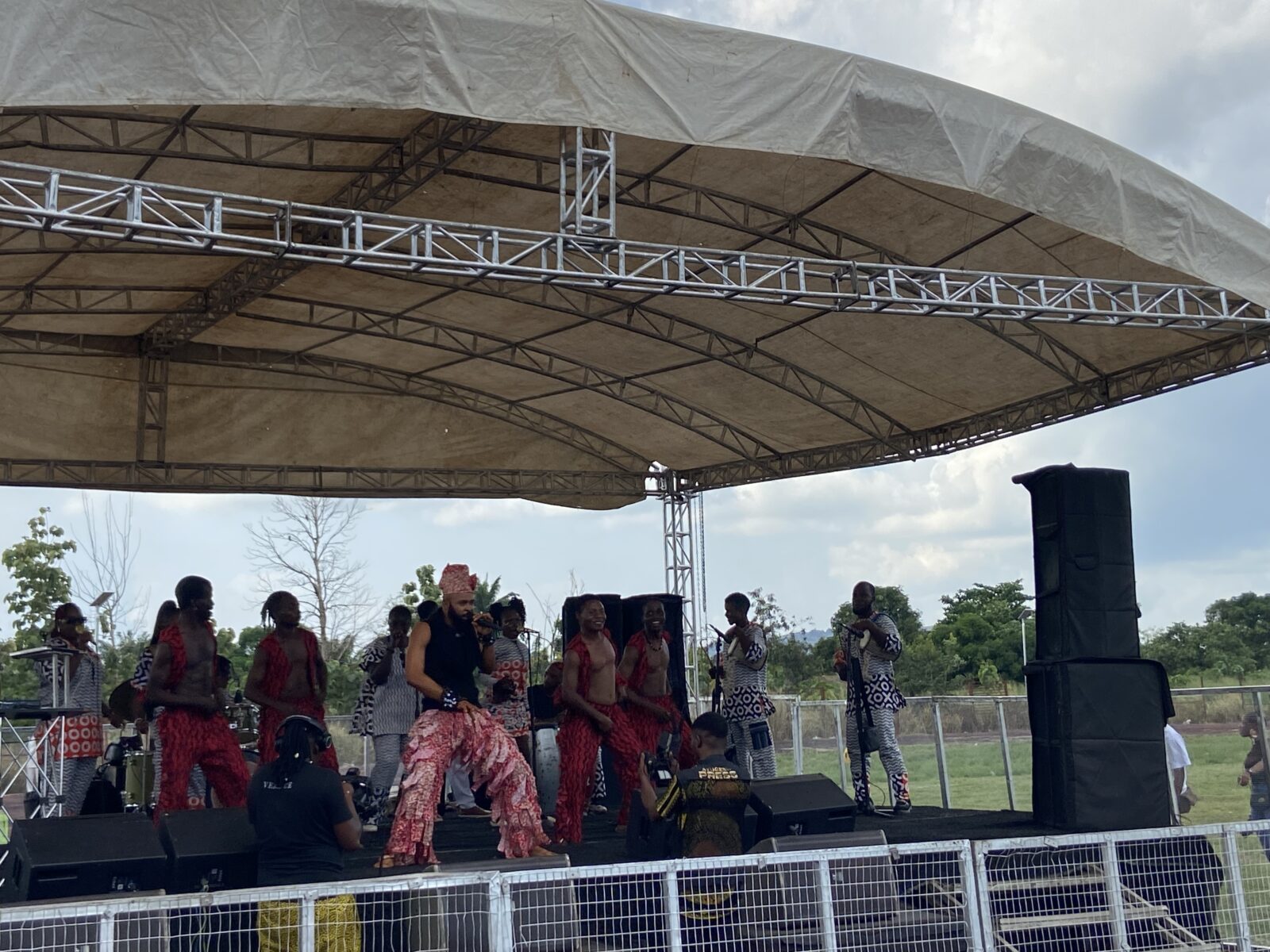
A native cap called “fila” adorned his head. On his neck, was an embroidery of necklace beautified with cowries. His black singlet too. The trouser he wore was tailored to appear like the carefully designed tattered clothes of masquerades. Like the popular campaign parlance of former Nigerian President Goodluck Jonathan, he wore no shoes.
Dancing before the audience was a light skinned man dressed in Yoruba attire. The pattern of his choreography could be mistaken for madness were it not that his arrival to the stage was announced with pomp and pageantry.
Yoruba is his local language. So the light skinned man sang in his dialect. He did not just sing, he told tales with his songs. In one of his songs, he told a story of how he tried to describe to a lost person the direction to the home of culture. The lost one had approached him for directions on how to get to the home of culture. Singing, the light skinned man said his numerous efforts at giving direction to this lost fellow was met with more confusion rather than clarity. “I explained, and explained, but they said they didn’t know the home of culture”, the light skinned man sang with passion in his voice.
The venue of this artistic performance was the new conference hall of La Campagne Tropicana Beach & Forest Resort. The light skinned man is a performing artist signed under the Atunda Entertainment label which is home to artists like Ara (Thunder). Atunda Entertainment is the brainchild of Otunba Olawanle Akinboboye.
Back to the stage.
At the end of this first song, although the lost person still didn’t get the direction to the home of culture, the audience understood better. Singing along to the booming voice of the light skinned man, the audience sang: “we explained and explained, they didn’t know the way to the home of culture”. By getting the audience to sing along with him, the job of the light skinned man was half way done. For he had successfully imprinted his local dialect on the hearts of the audience who listened to him as he sang.
His next task was to get the audience dancing. To achieve this, the light skinned man, and his dancers stepped down from the stage and got closer to the audience. Their hands raised in the air, the dancers and the light skinned man swinged their bodies to the left. And then to the right. The move was repeated but this time their hands were on the shoulders of each other. In no time, this dance routine energized the audience to get up on their feet to dance. The job of the light skinned man was done.
The name of this light skinned man is Ta’asa. The meaning of his name was derived from two Yoruba words. “Ta” which means to sell, and “Asa” which means culture. And like the meaning of his name the light skinned man named “Ta’asa” through his energetic performance that night had successfully exported his culture to the audience.
This is the mission of Ta’asa to teach people who come in contact with his art how to export their culture.