

By Onyekachi Victoria Philip
The top most La Campagne Tropicana Nwonyo Lake Resort in Ibi, Taraba State, is reportedly one of the most ambitious attempts to transform an existing cultural and natural attraction into a year-round tourism destination.
According to a further report, the project is being built around Nwonyo Lake, a legendary water body that has served generations of fishing communities and is the traditional home of the Nwonyo International Fishing and Cultural Festival.
The resort forms part of Taraba State’s wider partnership with La Campagne Tropicana Resort Group, under which the state has approved about 2,500 hectares across 12 locations for an agro-ecotourism network combining hospitality, agriculture, heritage, leisure and nature-based tourism.
Nwonyo Lake is located about five kilometres north of Ibi town in Ibi Local Government Area of Taraba State.

The Nigerian government’s Federal Ministry of Arts, Culture, Tourism and the Creative Economy described the lake as one of the country’s important cultural tourism assets and the setting for the Nwonyo International Fishing and Cultural Festival.
The lake impact around the world goes beyond tourism as because of people around Ibi, fishing has been an important economic activity. Over time, the fishing tradition developed into a major annual cultural celebration involving fishing competitions, boat racing, swimming, boat regattas, masquerades, traditional dances and other cultural displays.
Why Nwonyo Lake is special
According to the Federal Ministry of Arts, Culture, Tourism and the Creative Economy, the Nwonyo festival has roots stretching back to the 19th century.
Government records trace the discovery of the lake to the Jukun Wurbo people and identify fishing as one of the activities around which the community’s annual celebration developed.
The National Institute for Cultural Orientation also documents the evolution of the fishing tradition and identifies activities including:
Fish-catching competition
Boat racing
Boat regatta
Swimming
Horse riding and racing
Masquerade performances
Traditional dances
Sale and auction of fish catches
This is important because it gives the resort something many new hotels and resorts struggle to obtain which is an authentic destination identity.
The visitor can experience fishing, water, culture, traditional performance, food, community life and African heritage in one destination.
See The latest development: Nwonyo is moving beyond a festival ground
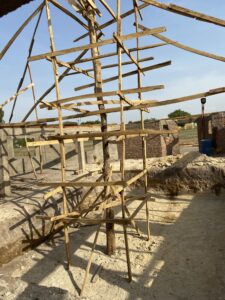
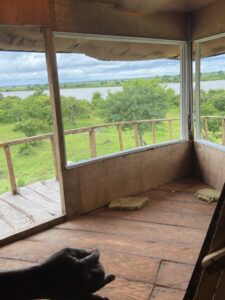
One of the biggest developments in 2026 has been the deliberate effort to reposition Nwonyo Lake from a location visited mainly during the annual fishing festival into a year-round tourism destination.
In March 2026, reports said work around Nwonyo Lake and the festival grounds was progressing as Taraba State and La Campagne Tropicana intensified efforts to develop the area as a world-class cultural and ecotourism destination.
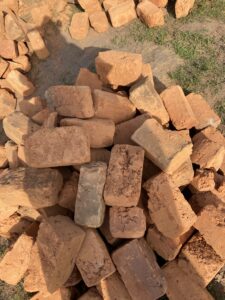
By June 2026, reports on the wider Taraba project indicated that construction of African-themed, eco-friendly accommodation facilities had commenced at some of the project locations, while recreational facilities including boats, quad bikes and Jet Skis had been introduced at some sites.
Nwonyo lake gives the resort an opportunity to develop an entire water-based leisure economy, rather than depending only on conventional hotel accommodation.

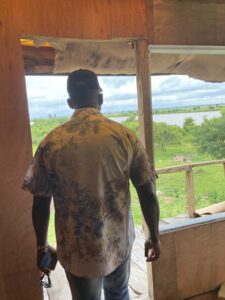
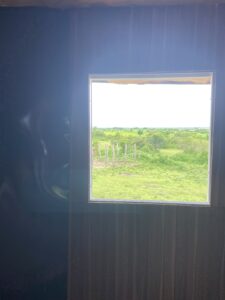
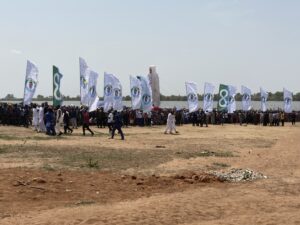
The 2026 edition of the Nwonyo International Fishing Festival, held in April, provided an important test of the tourism potential surrounding the lake.
Reports revealed that the festival attracted more than 20,000 people, with accommodation and hospitality facilities in Ibi and surrounding areas experiencing significant demand.
The festival included colourful boat activities and cultural performances, while visitors came from different parts of Nigeria and beyond.
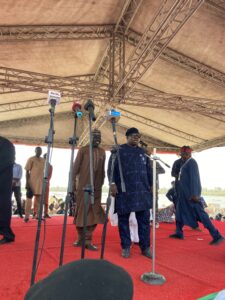
The event also attracted high-profile national and international representation, including the Nigerian President’s representative, the Prime Minister of Grenada and representatives connected with Ghana’s leadership.
What La Campagne Tropicana brings to Nwonyo
The La Campagne concept is different from simply constructing a conventional hotel.The wider Taraba project has been described as combining:
Agriculture- Ecotourism- African Heritage -Hospitality- Entertainment-Leisure.
The founder of La Campagne Tropicana, Otunba Wanle Akinboboye, has explained the philosophy behind the development as using tourism to sell agriculture and agriculture to sell tourism, while presenting African heritage as part of the visitor experience.

This makes the Nwonyo project particularly interesting because the lake can become the natural centrepiece, while the surrounding resort provides the accommodation, entertainment, food, recreation and cultural experiences required to turn a visit into a complete holiday.
Services and experiences the resort can provide
Based on the announced project, the facilities already reported across the Taraba La Campagne developments, and the nature of the Nwonyo destination, the resort is being positioned around several interconnected experiences.
1. Eco-friendly accommodation
African-themed and eco-friendly accommodation is already being developed within the wider Taraba project.
At Nwonyo, this gives visitors the possibility of staying within the natural environment rather than simply visiting the lake for a few hours.
The accommodation component is crucial because it changes Nwonyo from an excursion destination into a tourism destination.
2. Lake and water-based recreation
Nwonyo provides an obvious platform for water tourism.The wider La Campagne Taraba development has already introduced boats and Jet Skis, alongside other leisure facilities.
At Nwonyo, water-based recreation can potentially include:
Boat rides
Sightseeing on the lake
Fishing experiences
Water-based leisure
Boat-related entertainment
Festival-linked activities
3. Fishing tourism
Fishing is perhaps the resort’s strongest natural advantage.Unlike an artificial resort that has to invent a theme, Nwonyo already has a centuries-old fishing identity.The fishing festival itself has a recognised fish-catch competition, with traditional fishing techniques forming the centre of the celebration.
Cultural Orientation Institute
The resort can therefore serve recreational tourists, cultural tourists, fishing enthusiasts, photographers and visitors who simply want to experience traditional Nigerian fishing culture.
4. Cultural tourism
The resort is also positioned to connect visitors with Ibi’s cultural heritage.The Nwonyo festival incorporates traditional dances, masquerades, horse riding, boat racing and other cultural performances.
Cultural Orientation Institute
This creates opportunities for:
Cultural performances-traditional cuisine-storytelling- craft- music-festivals- community interaction.
That is the type of integrated experience that can distinguish an African heritage resort from a conventional international hotel.
5. Festival tourism
The annual Nwonyo Fishing Festival could become one of the resort’s biggest commercial advantages.
Instead of visitors arriving in Ibi and struggling to find accommodation, restaurants and leisure facilities during the festival, the resort can become part of the destination’s organised tourism infrastructure.
The 2026 festival’s crowd of more than 20,000 demonstrated the scale of potential demand during peak periods.
Why building the resort here matters economically
The project is not just about tourism.It has the potential to create a chain of economic activities around Ibi.
Employment
Large tourism developments require workers across numerous sectors:
Hospitality
Housekeeping
Security
Transportation
Food production
Catering
Maintenance
Boat operations
Tour guiding
Entertainment
Agriculture
Events management
Administration
Construction.
The Taraba government has specifically identified job creation for young people as one of the objectives of the wider agro-ecotourism project.
It can create a market for local farmers.This is one of the most important aspects of the La Campagne model.Instead of viewing agriculture and tourism as separate industries, the project seeks to connect them.
Hotels and resorts require food every day.
That creates potential markets for:
Fish
Vegetables
Fruits
Grains
Livestock products
Local spices
Processed food
Traditional cuisine
The wider project therefore has the potential to create a cycle where local agriculture supplies tourism, while tourism creates demand for local agriculture.
That is consistent with Akinboboye’s stated philosophy of using tourism to sell agriculture and agriculture to sell tourism.
It can give Ibi a stronger destination economy.
The 2026 festival showed what happens when thousands of people arrive at once.
Hotels fill up.
Restaurants gain customers.
Transport operators get passengers.
Traders sell more products.
Tour guides get work.
Entertainment businesses benefit.
Local communities earn from visitors.
A permanent resort can extend that economic activity beyond one festival weekend.
It can help preserve Nwonyo Lake
Tourism development can also create an economic reason to protect the natural resource.Government records already identify the Nwonyo festival as contributing to conservation and preservation of the lake and its resources.
The traditional fishing system itself historically incorporated periods when fishing was restricted to allow fish to grow and mature.
For Nwonyo, the lake is the tourism asset, so protecting the lake protects the business.
It can strengthen security through economic activity
The Taraba government has also linked the wider tourism programme to employment and efforts to address security challenges.
Why Nwonyo stands out from ordinary resort destinations
There are several things that make Nwonyo unusual.
1. It has an existing cultural identity
The lake is not simply a scenic body of water.
It has a documented fishing tradition and an established cultural festival.
2. It combines water and heritage
Many destinations have either cultural attractions or natural attractions.Nwonyo has both.
3. It already attracts large crowds
The 2026 festival reportedly drew more than 20,000 people.
4. It is connected to Taraba’s wider tourism network
The Nwonyo resort is not being developed in isolation.
It is one part of a planned 12-location, 2,500-hectare agro-ecotourism project spanning different parts of Taraba.
This means a visitor could potentially experience several destinations across the state rather than visiting only Ibi.
5. It combines tourism with agriculture
That gives it a wider economic purpose than a conventional leisure resort.
The government-private sector model
Perhaps one of the most significant aspects of the project is who is developing it and how.
Taraba State is working with La Campagne Tropicana Resort Group in a public-private partnership.
The state has provided the land framework and government support, while La Campagne brings its tourism development experience and African heritage resort concept.The wider arrangement involves approximately 2,500 hectares across 12 sites.Governor Agbu Kefas has described the project as part of his administration’s effort to make Taraba a tourism destination and expressed commitment to providing the necessary government support.
This partnership is important because tourism destinations require more than hotels.
They need:
roads- security -power- water -investment- hospitality- marketing – attractions -community participation.
Government can provide or facilitate some of those foundations, while private-sector operators can bring investment, tourism expertise and commercial management.
Nwonyo could become Taraba’s water-tourism gateway
Taraba is already famous for mountains, forests and wildlife, particularly around destinations such as the Mambilla Plateau and Gashaka-Gumti.
Nwonyo gives the state something different:
a major inland water tourism experience.This is precisely why the Nwonyo project fits into the larger La Campagne network.
LATEST UPDATE AND PROJECT
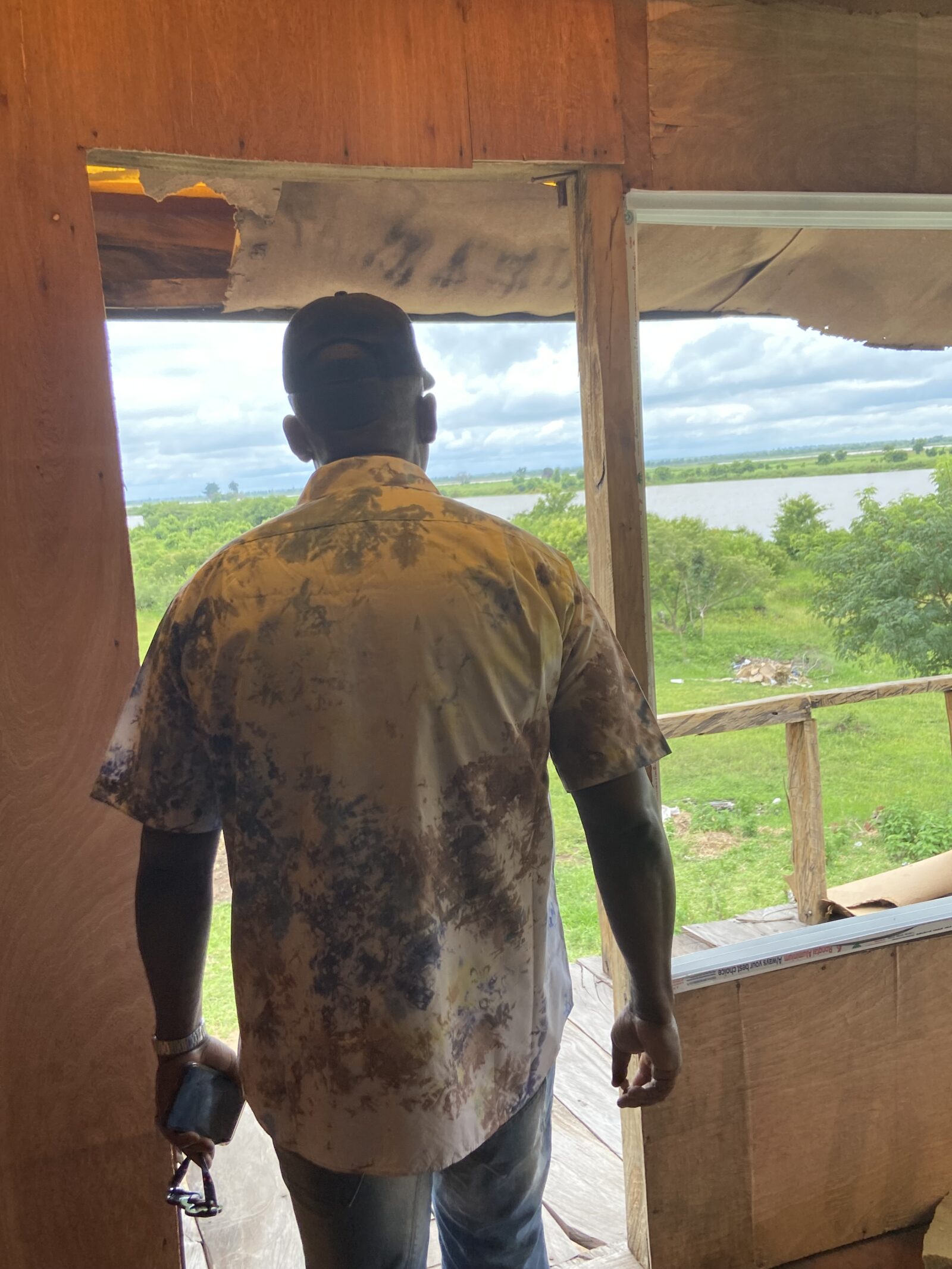
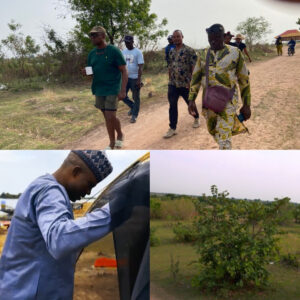
La Campagne Tropicana Lake Resort in Ibi, Taraba State, is recording significant progress as Founder and CEO, Otunba Wanle Akinboboye, alongside his Executive Assistant, Mrs. Aminat Thompson, and the engineering team, inspected ongoing projects and gave directives for further development.
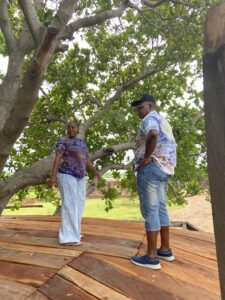
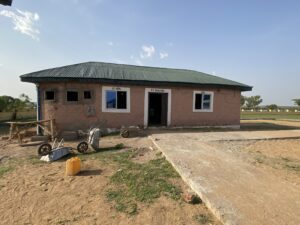
The resort has begun preparations for Phase Two, including boundary marking and a planned partnership with a golf course project, while Phase One continues to expand with improvements to its tree houses, 15 planned Amosan mud houses, Ilerigi structures, six security posts and recreational facilities.
The badminton court and swimming pool have been completed, while the lawn tennis and basketball courts are undergoing final construction and refinements, as the resort steadily develops into a major eco-tourism and hospitality destination in Taraba State.