

By Onyekachi Victoria Philip
Otunba Wanle Akinboboye’s growing role within Nigeria’s organised private sector is opening a new chapter in the relationship between tourism, the creative economy, trade, investment and African diaspora engagement.

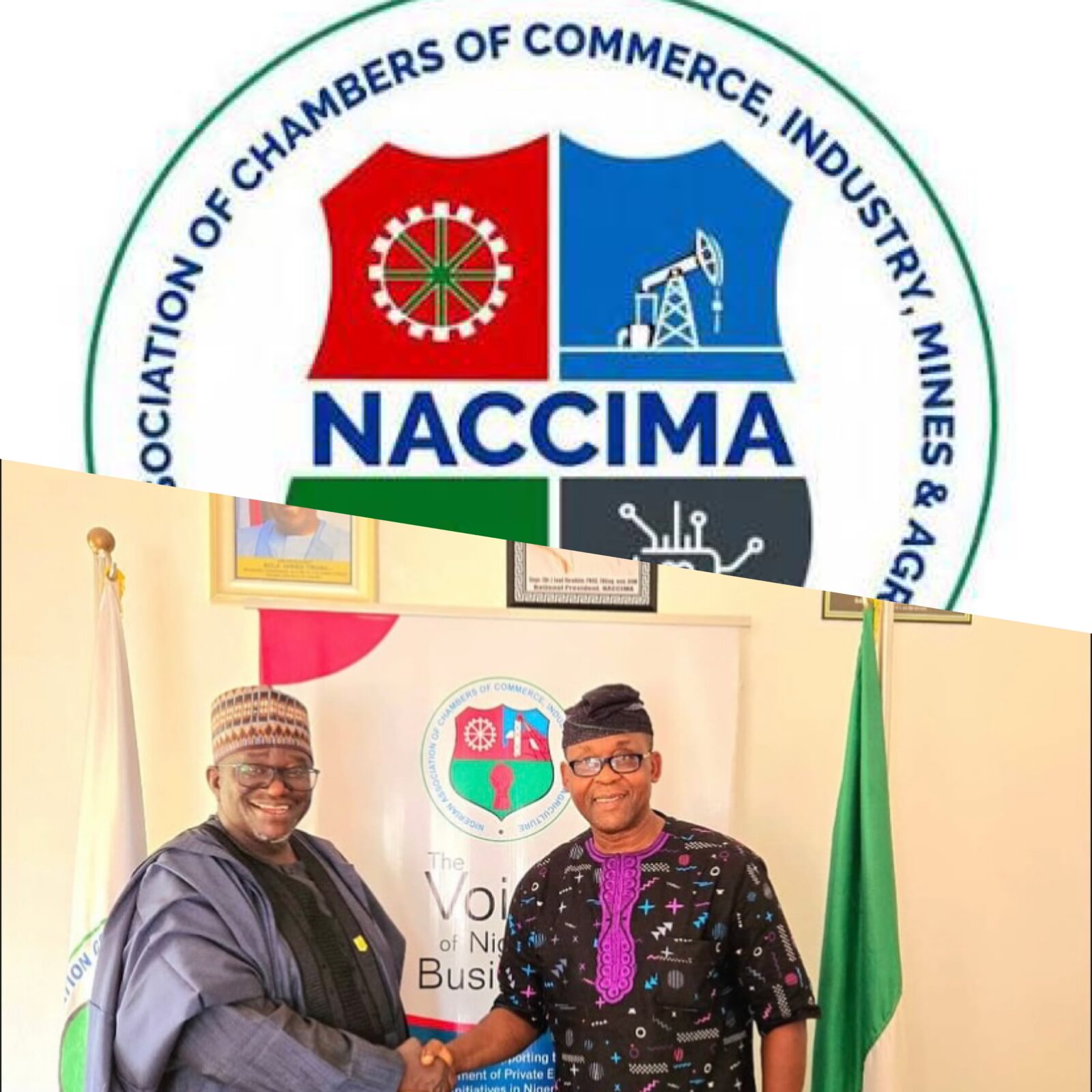
Akinboboye, founder of La Campagne Tropicana Beach Resort and the IPADA Initiative, was appointed Chairman of the Nigerian Association of Chambers of Commerce, Industry, Mines and Agriculture (NACCIMA) Tourism/Creative Economy Trade Group following the reconstitution of the association’s trade groups in 2025.
The appointment has positioned the tourism and cultural entrepreneur within one of Nigeria’s major private-sector platforms at a time when the creative economy is increasingly being viewed as an important contributor to national development.

His responsibilities within the NACCIMA structure include promoting the potential of travel, tourism, hospitality and entertainment businesses, identifying investment opportunities, recommending policies that can address challenges confronting the sector and developing strategies for making the creative economy more attractive to investors.
The mandate also covers collaboration with stakeholders across Nollywood, entertainment, creative entrepreneurship and related sectors.
Rather than limiting the creative economy to entertainment, the structure places it within a wider business framework involving investment, policy, entrepreneurship and trade.
NACCIMA partnership with IPADA
The development followed an earlier relationship between NACCIMA and Akinboboye’s IPADA Initiative.
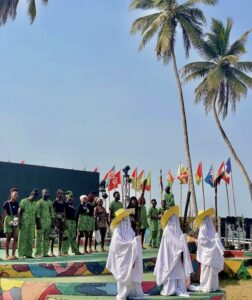
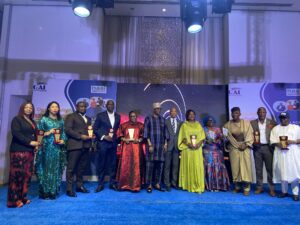
In August 2025, NACCIMA President, Engineer (Dr.) Jani Ibrahim, led the organised private-sector representation at the gathering held to mobilise support for the IPADA Celebrations.
At the event, Ibrahim announced NACCIMA’s intention to enter into a Memorandum of Understanding with IPADA Initiative to formalise the association’s support.

The NACCIMA Director-General, Engr. Olusola Obadimu, was also present alongside other senior officials.
The partnership was significant to Akinboboye’s five-year IPADA programme, which seeks to use tourism, culture, entertainment, business and investment to reconnect people of African descent and lovers of Africa with the continent.
Akinboboye has repeatedly presented IPADA as more than an annual celebration, describing it as an economic platform capable of driving tourism and investment across Africa.
He has also set an ambitious target of attracting 100 million visitors to Africa through Nigeria within five years.
According to him, the programme is designed to make it possible for visitors to move from Nigeria to other African destinations while exploring different forms of tourism, including health, business, charity and archaeological tourism.
He has argued that the initiative can help create business opportunities for people returning to Africa and contribute to economic development across the continent.
From tourism promotion to organised private-sector engagement
The significance of Akinboboye’s NACCIMA position lies partly in the fact that his longstanding tourism activities are now connected to a formal chamber structure.
NACCIMA’s corporate structure includes the Creative Economy Trade Group alongside other sector-focused groups covering areas including agriculture, digital economy, export, manufacturing, maritime and blue economy, trade and investment, transport and logistics and renewable energy.
The Creative Economy Trade Group therefore provides a formal business platform for addressing issues affecting tourism, hospitality, entertainment and other creative enterprises.
Akinboboye’s position also creates an intersection between his tourism experience and his wider African development initiatives through IPADA, Motherland Beckons and the Continent Building Initiative.

The relationship is particularly relevant to his stated objective of making Nigeria a gateway through which members of the African Diaspora and international visitors can access business and investment opportunities across the continent.
NACCIMA backs the return-to-Africa agenda
At the IPADA gathering, NACCIMA President Jani Ibrahim publicly supported the broader return-to-Africa vision.
The NACCIMA President also pointed to the role of the creative sector, including music, theatre, film, content and entertainment, in Nigeria’s economic development.
The message aligned closely with Akinboboye’s argument that Africa’s cultural resources should be transformed into economic opportunities.
For Akinboboye, tourism, culture, entertainment and hospitality are not isolated sectors. They form part of a wider ecosystem capable of generating employment, attracting visitors, encouraging investment and creating opportunities for businesses.
The IPADA-NACCIMA connection expands beyond Nigeria
The relationship has subsequently taken on a broader African dimension.
In 2026, the NACCIMA Creative Economy Trade Group, working with IPADA Initiatives, promoted participation by Nigerian businesses in Invest in Ethiopia 2026.

The development represents domestic tourism promotion towards cross-border business and investment opportunities.
It also fits into Akinboboye’s wider vision of connecting African countries through tourism, culture, commerce and investment.
The Ethiopia engagement is particularly notable because it involves the idea of taking Nigerian businesses and investors beyond the domestic market while simultaneously encouraging stronger economic relationships between African countries.
The Ethiopian Chamber of Commerce has also been associated with the Motherland Beckons/IPADA engagement in Ethiopia, giving the initiative a chamber-to-chamber dimension.
This is consistent with Akinboboye’s long-standing argument that Africans should not only travel across the continent for leisure but should also explore its investment and business opportunities.
Building bridges through the creative economy
The international direction of the NACCIMA Creative Economy Trade Group has also become visible through engagements involving its Vice Chair, Dr. Ngozi Omambala.
The group has been involved in international conversations connecting Nigeria’s creative economy with business exchange, skills development, trade missions, migration and research.
Such activities illustrate the wider scope of the platform under Akinboboye’s chairmanship.
The creative economy is being positioned as a bridge between culture and commerce, with creative businesses potentially serving as entry points for international partnerships and investment.
Akinboboye’s wider African vision
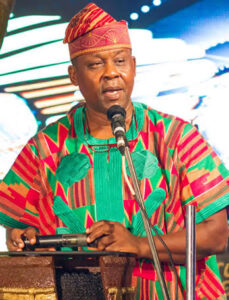
The NACCIMA appointment builds on a career that has consistently linked tourism and culture with African economic development.
Through La Campagne Tropicana, Motherland Beckons, the Continent Building Initiative and IPADA, Akinboboye has promoted the idea of using Africa’s cultural heritage, tourism assets and creative industries to generate economic opportunities.
IPADA, in particular, is designed around the reconnection of Africans in the Diaspora with the continent.
Its five-year programme is intended to provide a structured calendar of activities and opportunities, allowing participants to plan their visits and engagements ahead of time.
The initiative combines tourism with business, investment, entertainment, culture and other sectors.
Akinboboye has described the programme as an opportunity to expose Africa to the world while attracting people and investments into different sectors of the continent.
A new role for the chamber system
The growing relationship between Akinboboye, IPADA and NACCIMA suggests a broader role for chambers of commerce in the development of Nigeria’s creative economy.

Rather than focusing only on traditional commerce and industry, the partnership places tourism, hospitality, entertainment and cultural industries within the organised private-sector conversation.
It also creates an avenue for businesses in those sectors to engage with issues such as investment, market access, government policy and international trade.
For Akinboboye, the NACCIMA platform provides an institutional channel through which his tourism and African integration agenda can engage directly with businesses across Nigeria.
For NACCIMA, the Creative Economy Trade Group offers an opportunity to tap into one of the country’s most visible areas of cultural influence while strengthening the commercial value of tourism and creativity.
Looking towards a continent-wide economic network

The direction of the partnership is increasingly consistent with Akinboboye’s broader philosophy of continent building.
His vision is not restricted to bringing tourists into Nigeria. It is also about creating a network in which visitors, entrepreneurs, investors and members of the Diaspora can move between African countries and participate in their economies.
The involvement of NACCIMA gives that vision an organised private-sector component.
With the Creative Economy Trade Group, IPADA and Motherland Beckons operating around overlapping areas of tourism, culture, business and investment, the emerging model seeks to connect Nigeria’s creative and tourism industries with opportunities across Africa.
The Ethiopia engagement in 2026 provides one of the clearest indications of this expanding direction.
From the initial push to formalise NACCIMA’s support for IPADA in 2025 to Akinboboye’s appointment as Chairman of the Tourism/Creative Economy Trade Group and the subsequent international business engagements, the development represents a gradual movement from tourism promotion to organised economic diplomacy through the creative economy.
The emerging objective is therefore bigger than promoting destinations.

It is about turning Africa’s culture, tourism, entertainment and creative industries into channels for trade, investment, employment, business expansion and stronger connections among Africans at home and in the Diaspora.