

By Onyekachi Victoria Philip
Nigeria’s next major tourism destinations may not necessarily emerge from already crowded cities but they could come from places where nature, accessibility, culture and developing infrastructure are converging as seen in parts of Ekiti and Nasarawa states.
Both locations possess the natural foundation for resorts, but their tourism advantages differ.
EKITI: Nature, Wellness and Cultural Escape
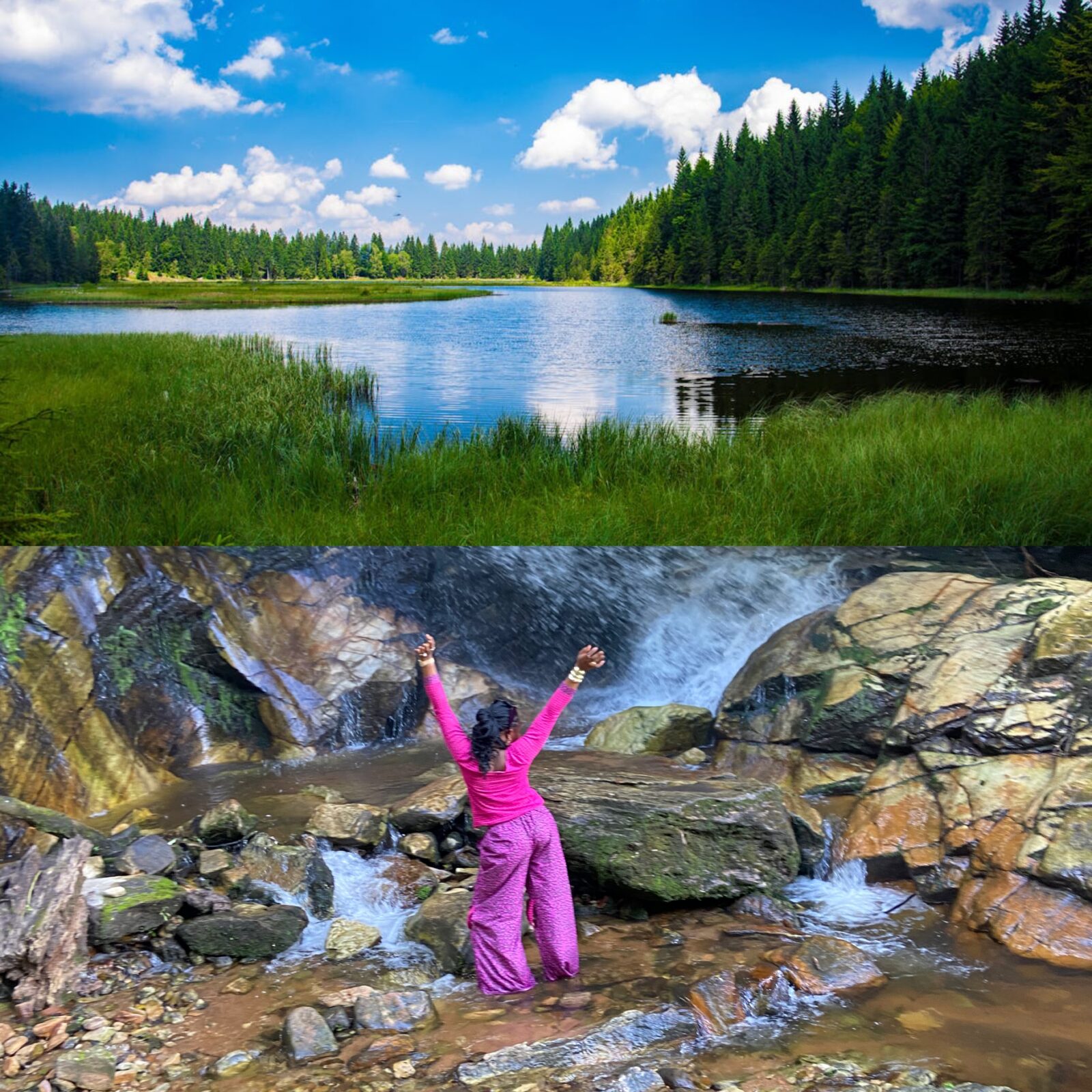
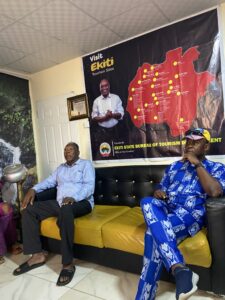
Ekiti offers a compelling combination of hills, forests, waterfalls, natural springs, farmland and Yoruba cultural heritage, giving investors the raw materials for eco-resorts, mountain retreats, wellness centres, family destinations and cultural tourism villages.
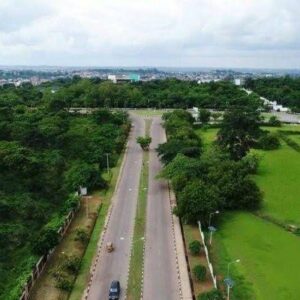
The attraction is strengthened by improving accessibility. The ongoing reconstruction of the Ilawe–Erijiyan–Ikogosi Road is particularly significant because it improves access to Ikogosi Warm Springs and other tourism assets. The state’s developing Ekiti Agro-Allied International Cargo Airport also adds an emerging aviation advantage.
Beyond tourism attractions, Ekiti has universities and tertiary institutions that generate year-round movement of students, academics, researchers and visitors, while investments in hospitals and healthcare infrastructure provide the social support necessary for longer stays and organised tourism.
The opportunity, therefore, is not simply to build a hotel around a beautiful landscape, but to create a nature-and-wellness destination where accommodation, recreation, local cuisine, culture, agriculture, trails and natural attractions work together.
NASARAWA: Abuja’s Natural Escape
Nasarawa offers a different advantage which is its proximity to Abuja.
The state combines hills, rocks, caves, waterfalls, farmland and cultural diversity with access to one of Nigeria’s largest concentrations of business, government and affluent leisure markets. Abuja can provide the visitors, Nasarawa can provide the escape.
Attractions such as Farin Ruwa, Eggon Hills and Caves, Oku Akpa Rock and other natural sites provide the foundation for adventure resorts, eco-tourism villages, camping destinations and cultural experiences.
Improving road corridors, particularly around Mararaba, Keffi and the wider Abuja–Keffi–Akwanga–Lafia–Makurdi route, further strengthen accessibility. The state’s universities, including Federal University of Lafia and Nasarawa State University, Keffi, add permanent populations and demand for accommodation, restaurants, conferences, recreation and events.
Its proximity to Abuja’s aviation gateway also means international and domestic visitors can arrive by air and continue by road into Nasarawa.
For investors, this creates an attractive model: a resort that functions as Abuja’s countryside getaway, combining adventure, nature, culture, hospitality, conferences and recreation.
The real opportunity?
The strongest argument for both states is that the attractions already exist.
The hills do not need to be built.
The waterfalls do not need to be created.
The culture is already there.
The farms and forests already exist.
What is required is investment that connects these assets to quality accommodation, roads, airports, healthcare, schools, restaurants, recreation, security and organised visitor experiences.
That is what transforms a beautiful location into a tourism destination.
Ekiti can position itself as a nature, wellness and cultural retreat, while Nasarawa can become a major adventure and countryside escape for Abuja and beyond.
It is the creation of destinations people have a reason to travel to, stay in and return to.